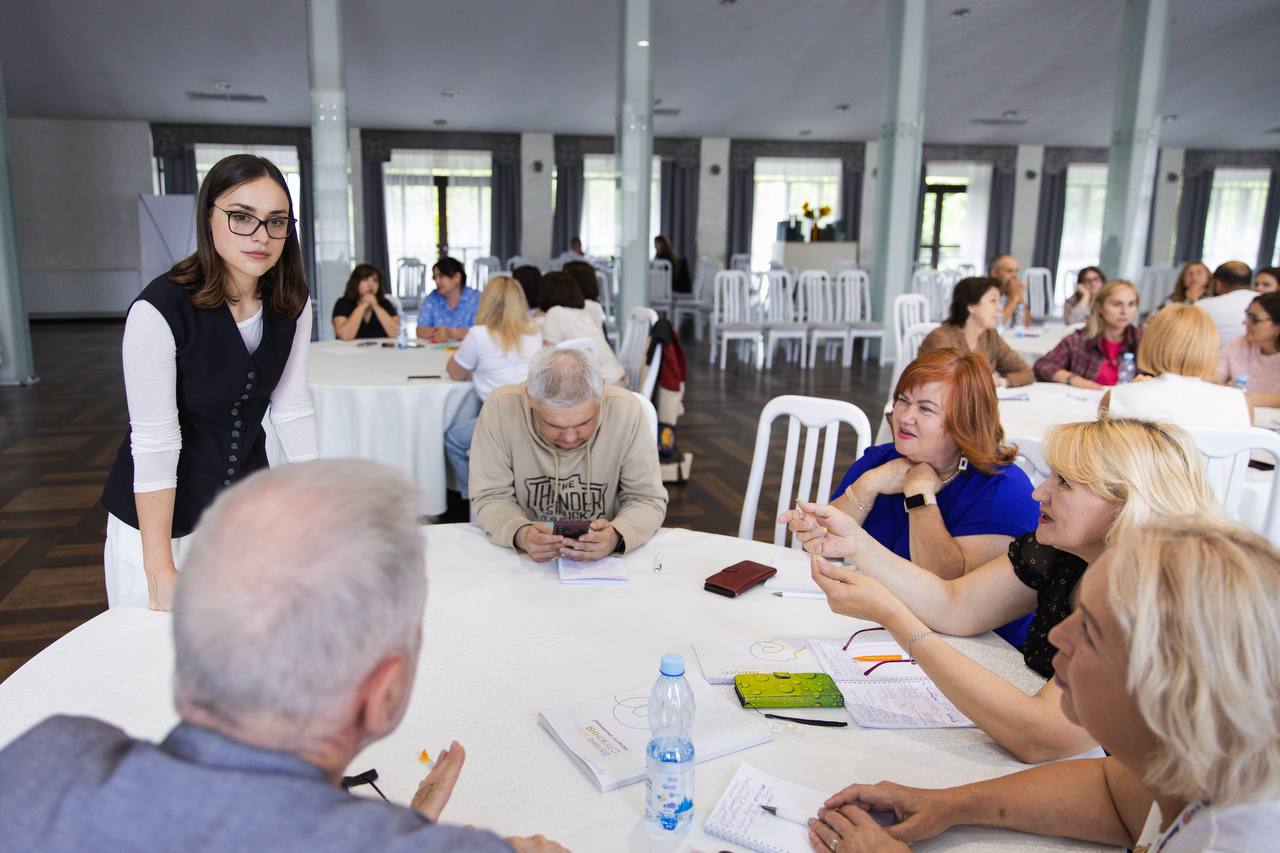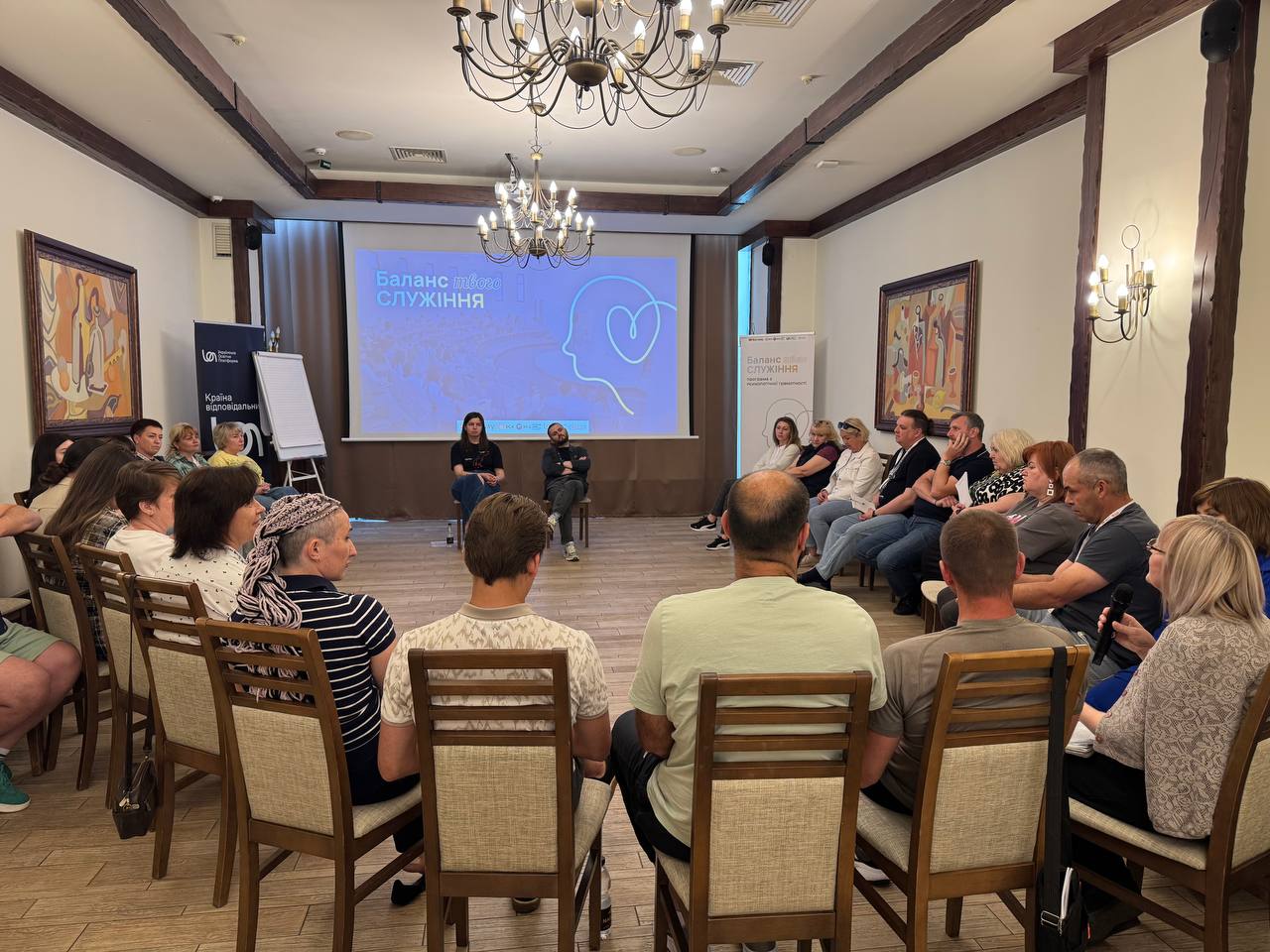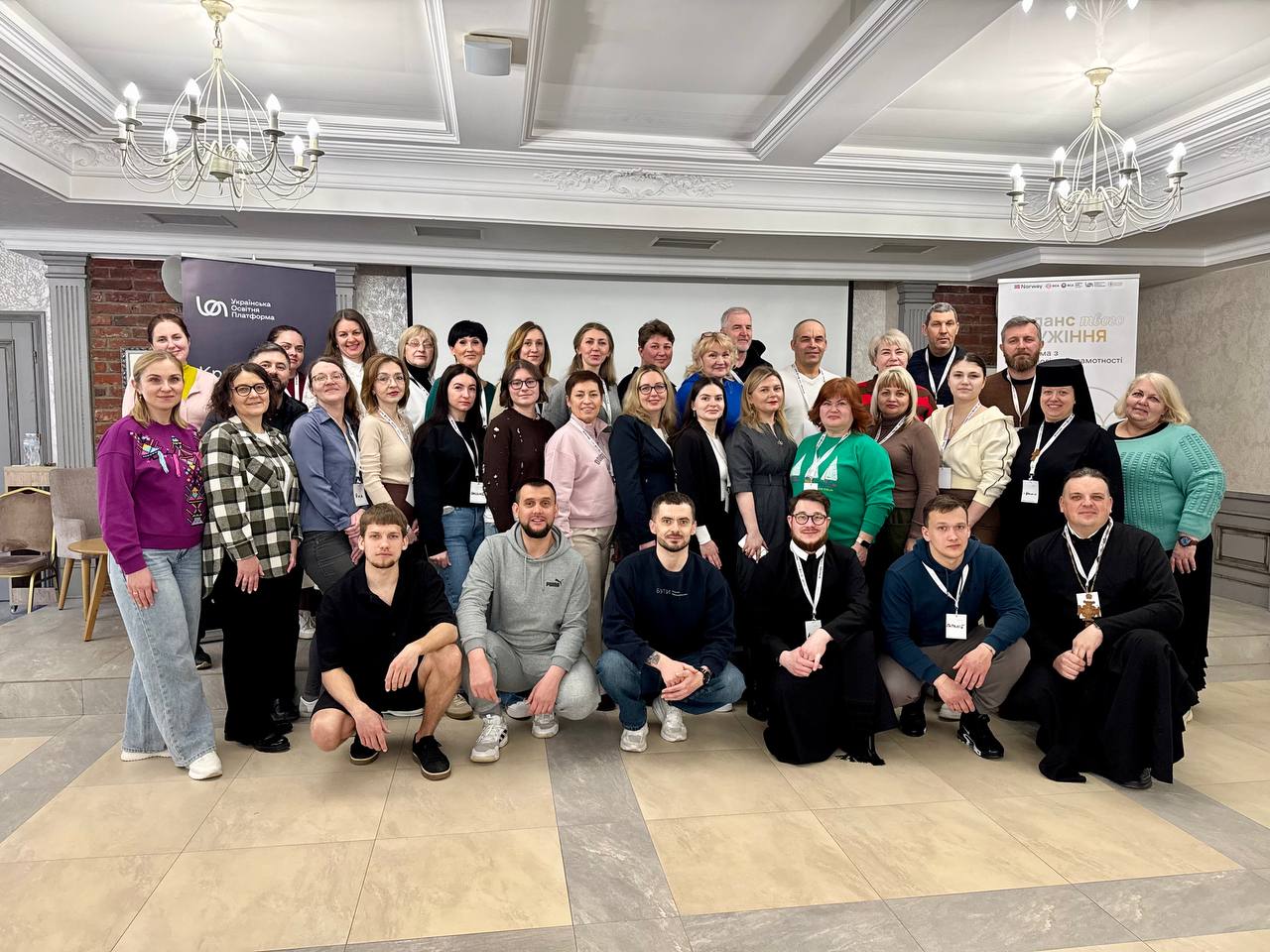
Christian ministry is about more than a willingness to help those facing difficult circumstances. It also means listening to people, understanding what they are going through, showing compassion and offering support while respecting their personal boundaries. This is especially important during wartime, when people are dealing with loss, forced displacement, prolonged stress and uncertainty.
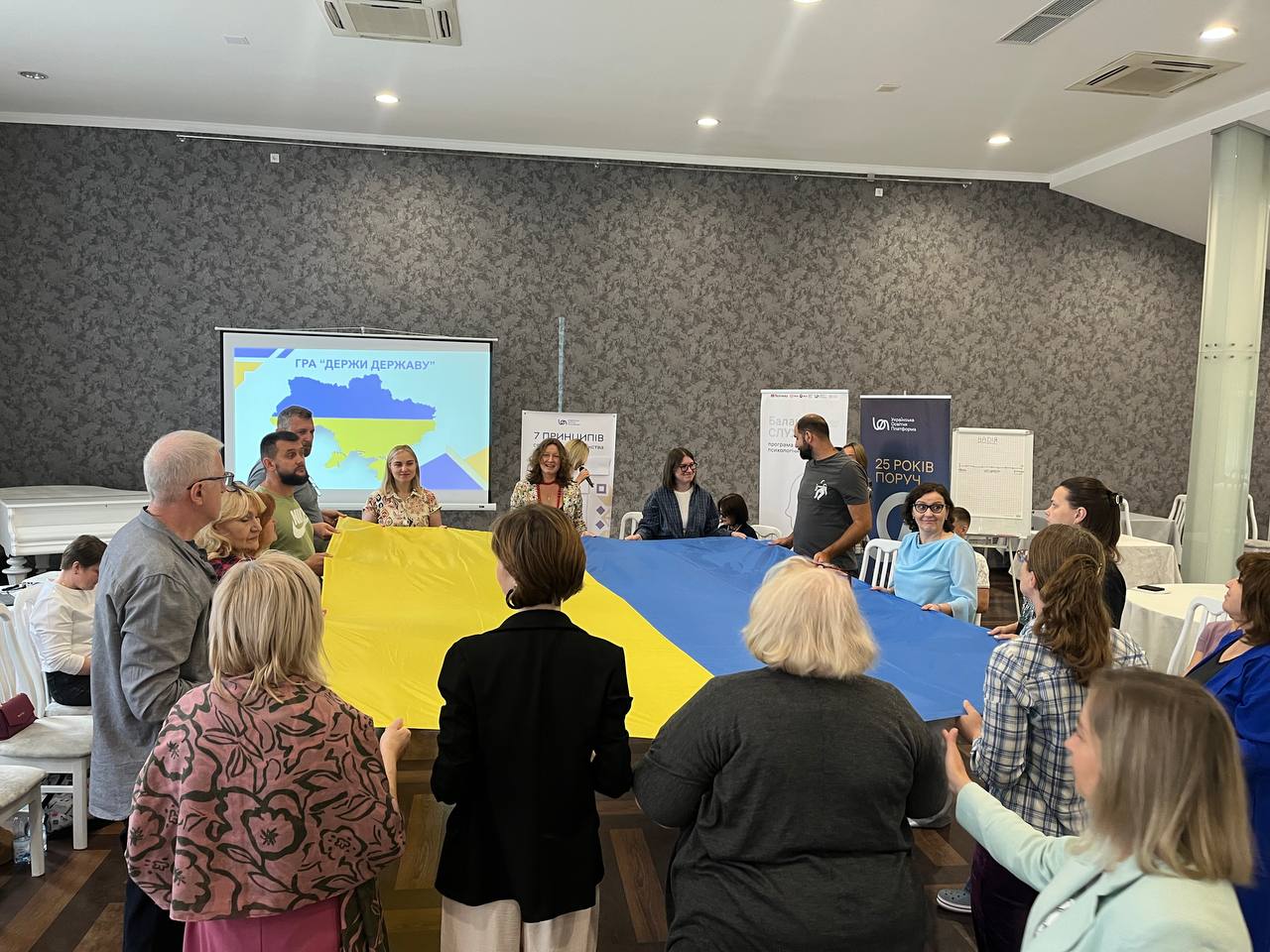
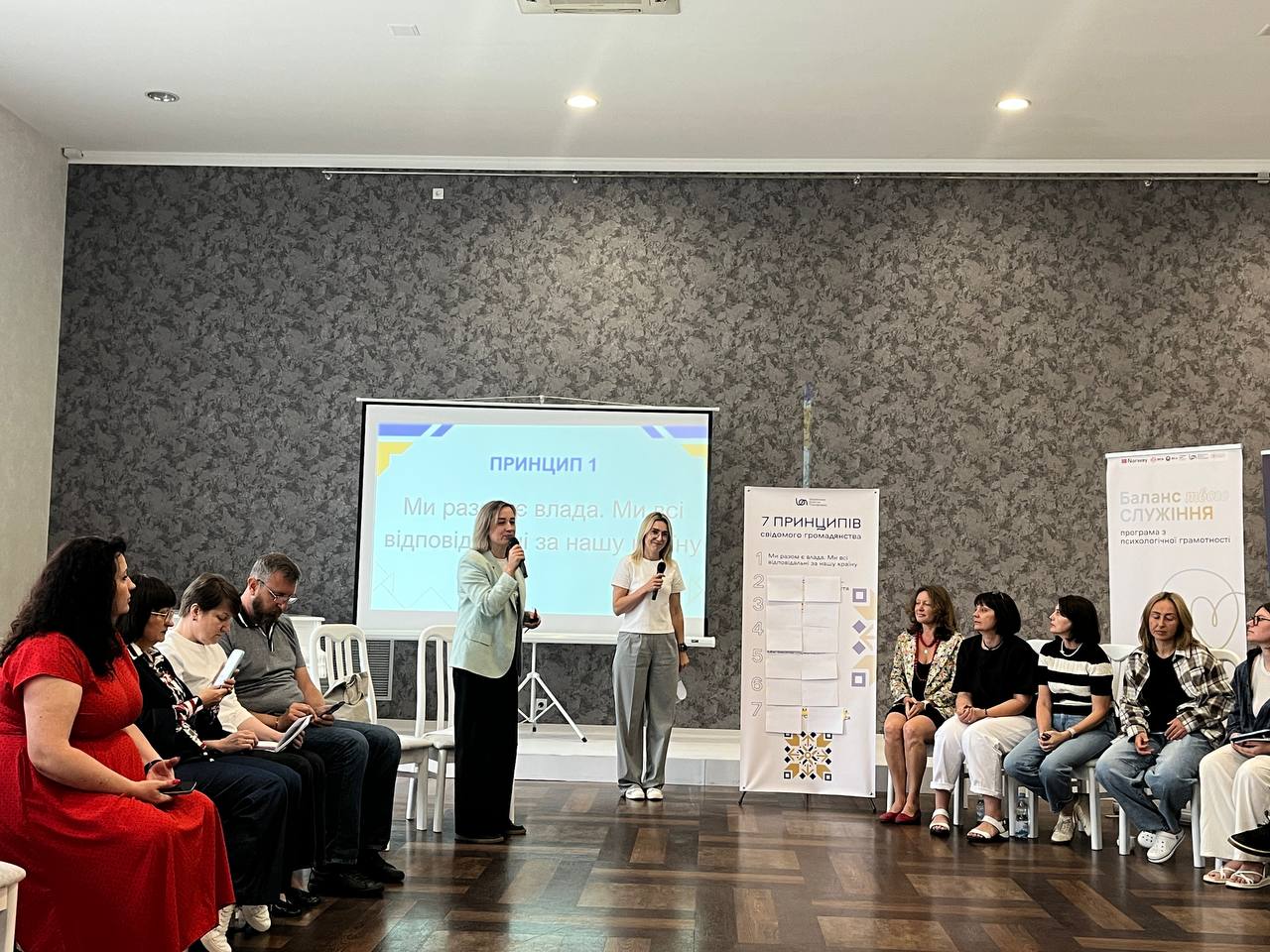
These are the issues addressed by the training programme “Balance in Your Ministry”, which brought together participants from the German Evangelical Lutheran Church of Ukraine (GELCU), including Oksana Sanchych, who is responsible for diaconal ministry at St Peter’s Evangelical Lutheran Congregation in the village of Petrodolynske, and Vladyslav Tsekhanovych, pastor of the “Salvation” congregation in Shostka.
In our conversation, Oksana spoke about what she had gained from the training, how it had shaped her understanding of ministry and the practical changes already taking place in her congregation.
— Could you tell us a little about yourself and your ministry? What prompted you to take part in “Balance in Your Ministry”?
My ministry involves helping people who find themselves in difficult circumstances. Its spiritual foundation has always been very important to me. Our congregation’s pastor, Oleksandr Hross, suggested that I take part in the training. I agreed because I have long been interested in psychology. I had never attended seminars like these before, so I am very glad to have had this opportunity.
— What does the programme teach, and why is this knowledge important for the Church’s ministry?
The “Balance in Your Ministry” project is implemented by the Ukrainian Education Platform in partnership with DanChurchAid and Norwegian Church Aid in Ukraine, with funding from the Norwegian Government.
The programme teaches us to combine spiritual ministry with an understanding of people’s psychological and social needs. It helps us better understand how war, stress, loss and other difficulties affect people, as well as how to maintain balance in ministry and prevent emotional burnout.
This is relevant not only to church workers, pastors and those directly involved in helping others, but to every one of us. We need to understand both ourselves and the people around us, and know how to offer support without causing harm through our words or actions.
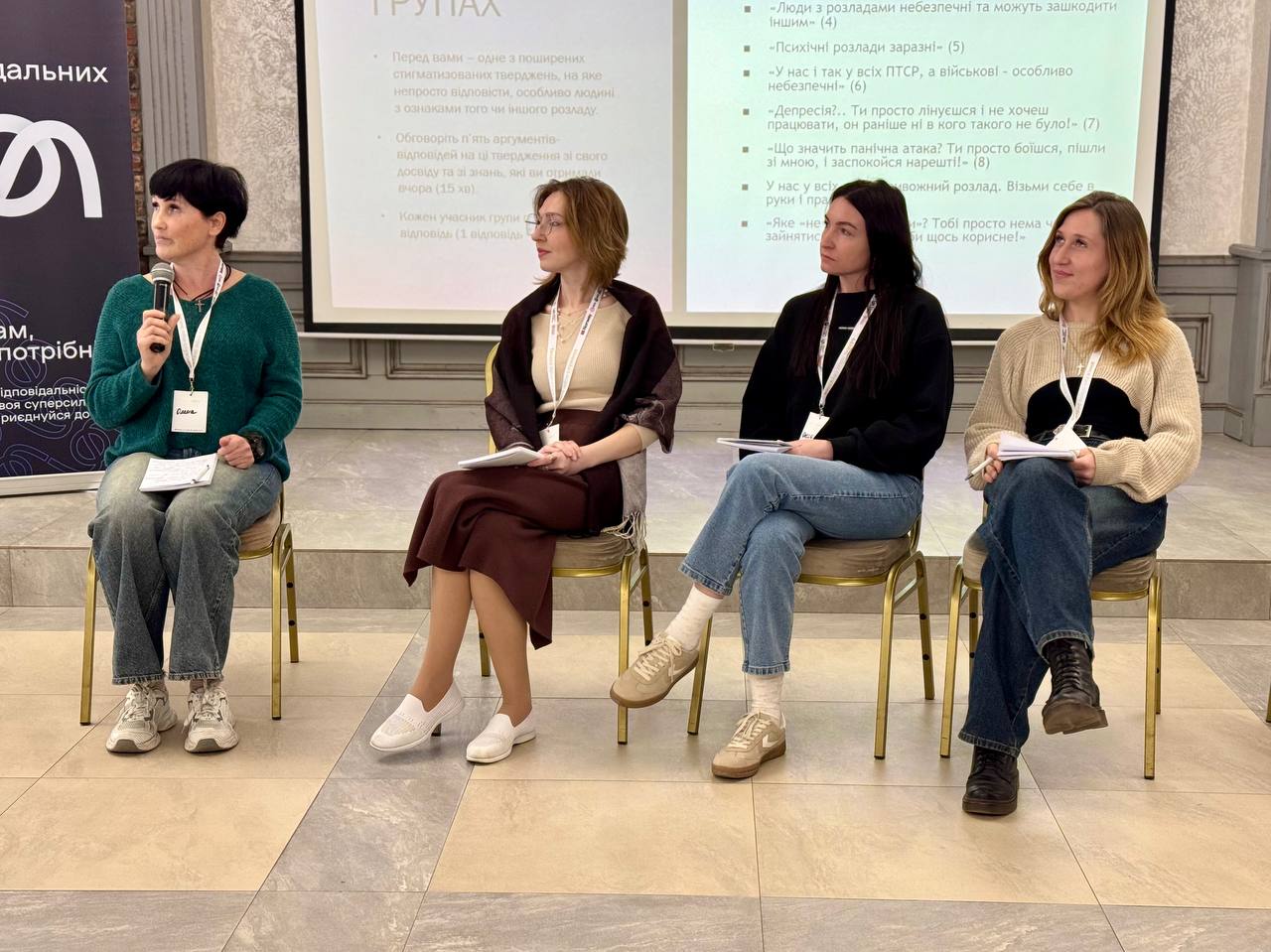
— How has your understanding of people who have experienced trauma, loss or forced displacement changed?
I came to understand just how differently people experience traumatic events. Prolonged stress can lead to anxiety, fear and disturbed sleep. A person may feel unsafe even when they are in a relatively safe place. That is why it is so important not to judge their reactions, but to show compassion and patience and respect their personal boundaries.
Since the training, I have paid more attention to how I communicate with people who have experienced loss or forced displacement. I have learned not to rush to offer advice, but to listen carefully and ask what kind of support they actually need.
It is important to avoid phrases such as “Don’t cry”, “Stay strong” or “Everything will be all right”, because they can invalidate a person’s pain. Sometimes what people need is not advice, but simply our presence, support and the reassurance that they are not alone.
— How do spiritual support and psychological care complement one another in this ministry? Where do the responsibilities of a church worker end?
Prayer and God’s Word provide a spiritual foundation, helping people find hope, peace and strength in difficult circumstances. A pastoral conversation gives us an opportunity to listen attentively, understand what someone is going through and support them without judgement.
At the same time, I realised that I can listen, offer support, pray with someone and be there for them, but I should not take the place of a psychologist or psychotherapist without the appropriate qualifications. When someone needs professional help, it is important to encourage them to consult a specialist.
The main thing is to understand that we do not have to solve all of a person’s problems. But we can stay alongside them during difficult times, offer support, share love and show God’s mercy.
— Has the training helped you put this new knowledge into practice through initiatives in your congregation?
Yes. One example is the “Winter Boarding House” social project, which is already up and running. It supports older people who find themselves in difficult circumstances.
The congregation’s guest house can accommodate up to ten people over the winter, providing proper meals and comfortable living conditions. The aim is to help people get through the winter, as most of them cannot heat their own homes. Some houses do not even have windows or adequate living conditions. In such circumstances, people sometimes simply do not survive.
Through this care, the congregation hopes to bring a little warmth and hope into their lives.
— The training also addressed relationships within the congregation, working with children and preventing exhaustion. What lessons did you take away?
I realised that conflicts within a congregation should be resolved through open dialogue, mutual respect and a willingness to hear one another, rather than through accusations or a search for someone to blame. It is important to manage our own emotions, listen to both sides and work towards a shared solution. In a church community, the priority is not to prove ourselves right at any cost, but to preserve love, respect and unity.
The subject of safeguarding children was particularly important to me. Children need to feel safe and know that they will be heard, and that their feelings and personal boundaries will be respected. A “safe adult” is someone a child can trust: someone who listens attentively, does not humiliate or intimidate them and is ready to help if they are in danger. This encouraged me to be more patient, listen more carefully to children and avoid dismissing their experiences.
Another important lesson concerns those who serve. I realised that we need to recognise our own exhaustion, make time to rest, avoid taking responsibility for everyone else’s problems and not be afraid to ask for help. Support from colleagues is also very important.
If we are depleted and have no resources left, we cannot serve others fully. That is why we must learn to care for ourselves as well.
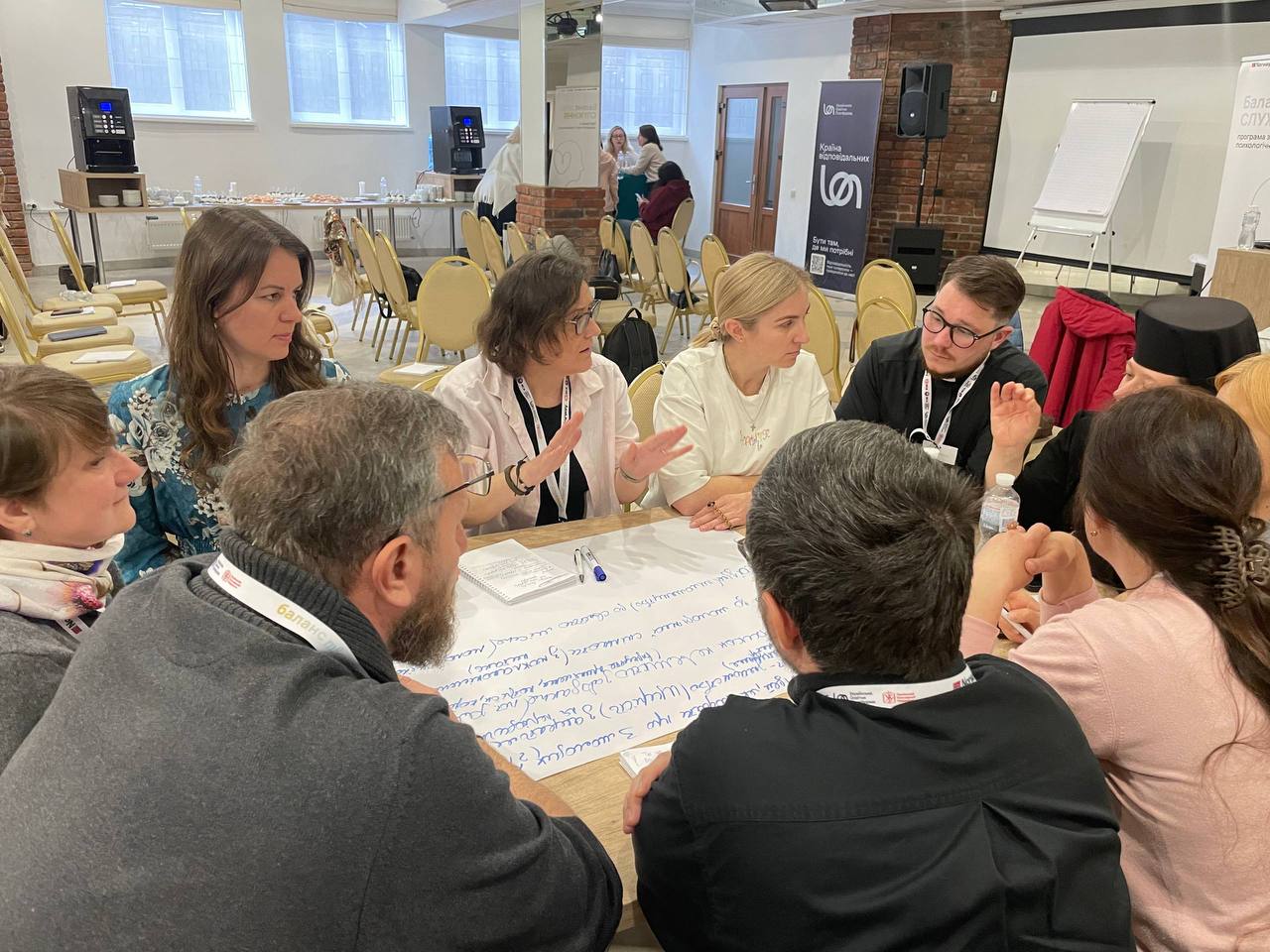
— What do you consider the most important outcome of the training, and what would you recommend to other congregations?
For me, the greatest benefit is that I have begun to see ministry and my interactions with people differently. I realised that it is important not simply to help, but first to understand the person, their circumstances, experiences and real needs.
I would encourage other congregations to begin by building a culture of care and mutual support. People should not be afraid to talk about their difficulties, ask for help and seek understanding. It is worth investing in training for church workers, work with children, support for families, people who have experienced bereavement and those affected by the war.
We can start with small but consistent steps: being more attentive to one another, taking an interest in people’s lives, not leaving them to face difficulties alone and creating an atmosphere of trust.
Pastor Vladyslav also shared his impressions of the Ukrainian Education Platform’s “Balance in Your Ministry” seminars:
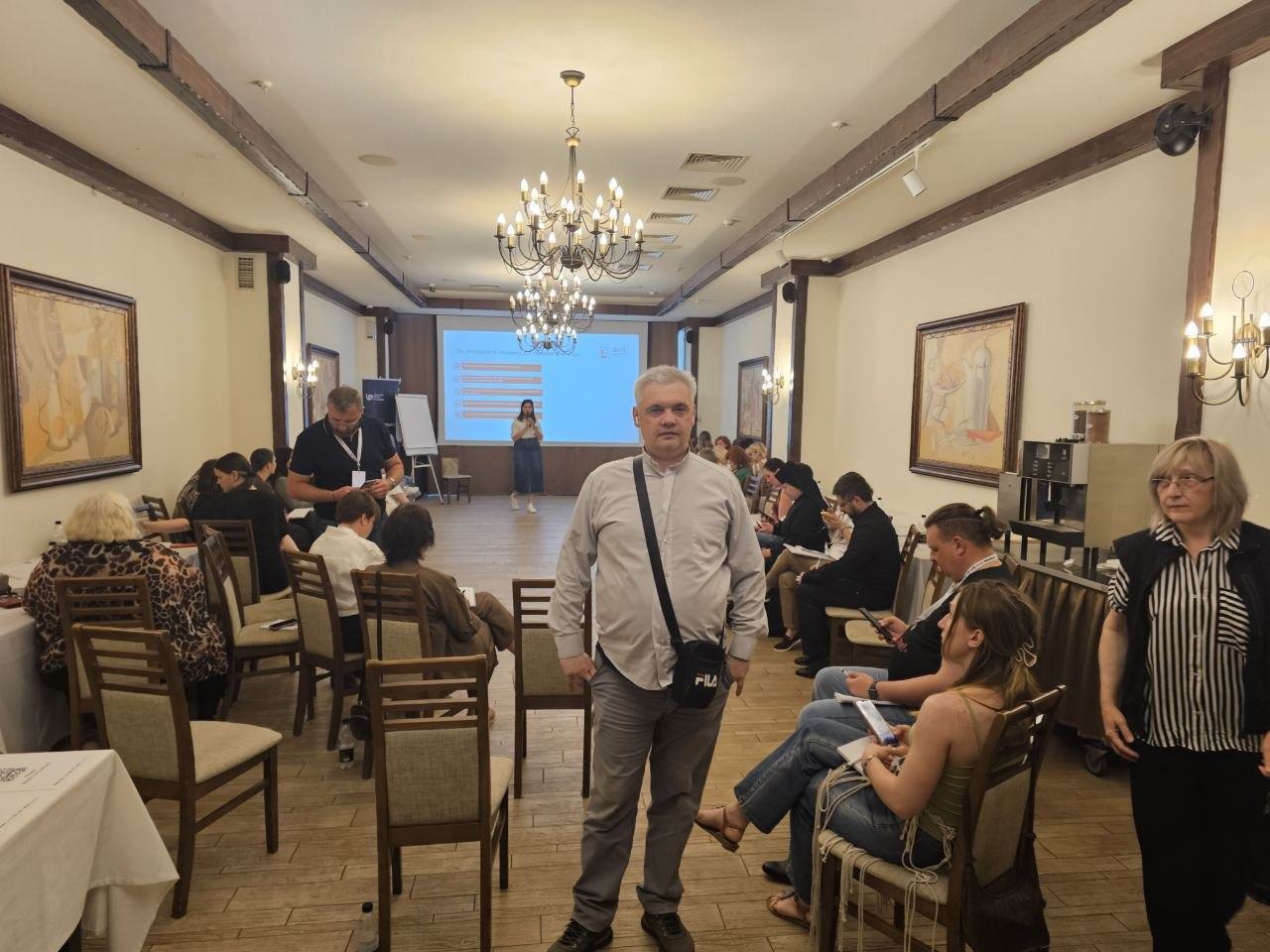
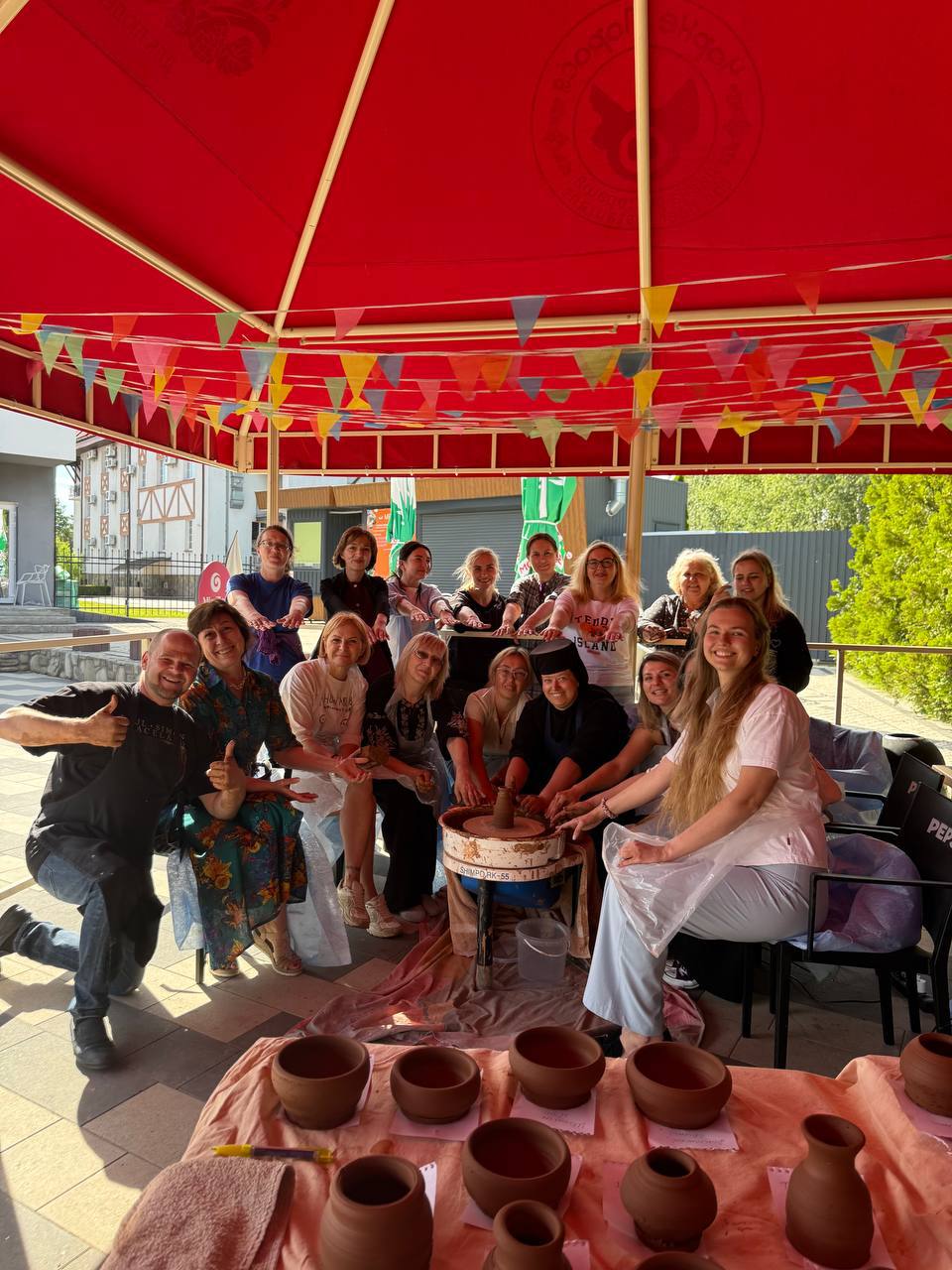
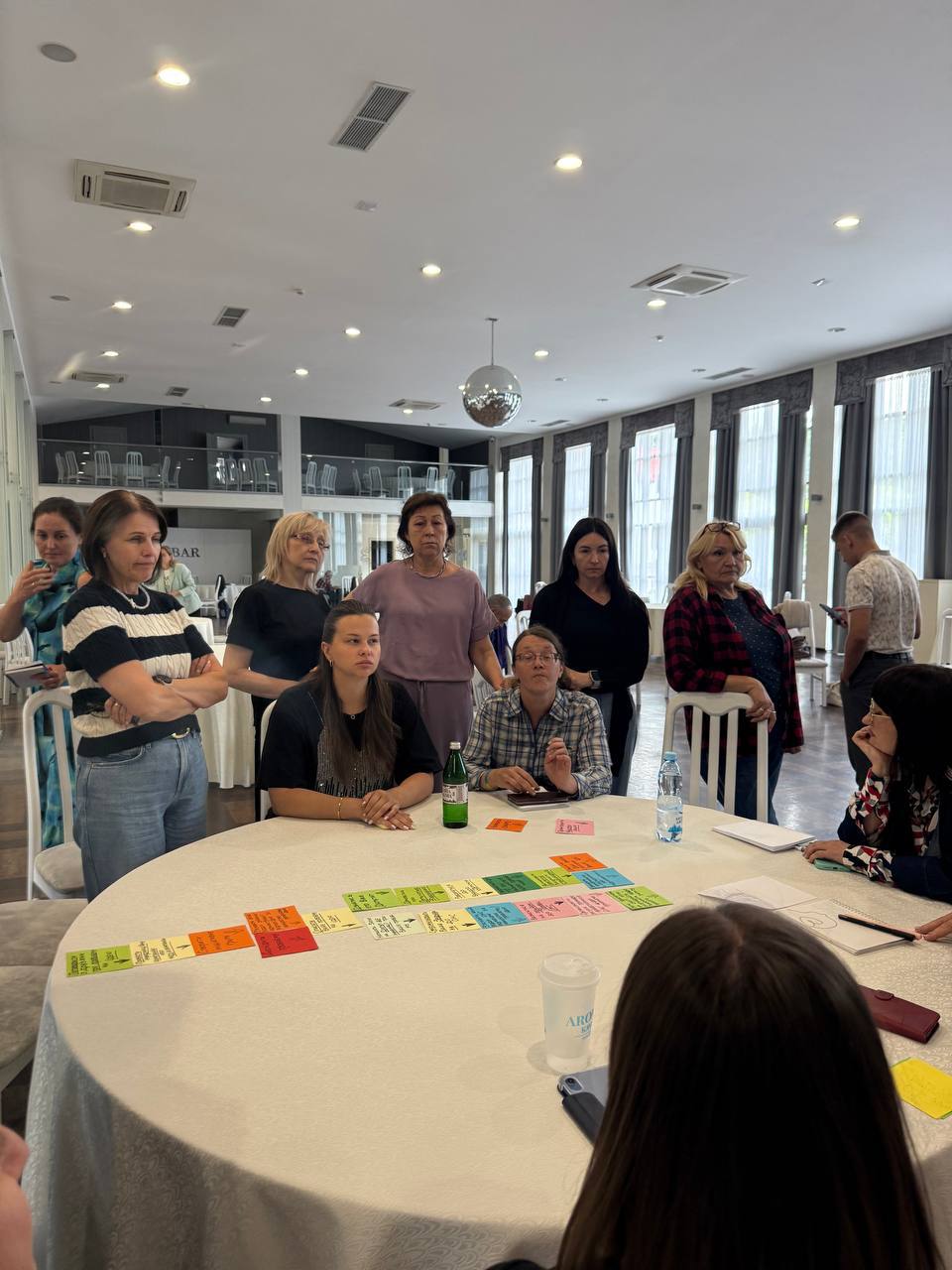
“I have an entirely positive view of the time I spent there. The programme was organised to an exceptionally high standard: comfortable hotels, excellent conference rooms, delicious, high-quality meals and carefully prepared, clearly presented learning materials. The instructors were true professionals, open to lively discussion and ready to answer questions. The well-planned schedule allowed us to learn productively without becoming overtired, while relaxation exercises helped us regain our energy and concentration. I would particularly highlight the group work: preparing assignments together helped us grow closer, find common ground and considerably broaden our circle of contacts. Combined with in-depth learning about psychology and social relationships, this made the training a truly valuable and inspiring experience.”
As our conversation drew to a close, the programme participants highlighted an essential aspect of Christian ministry: helping begins with paying attention to the person. Sometimes it takes the form of a practical social initiative; at other times, it is a timely word, a shared prayer or simply a willingness to be there. And if this ministry is to remain vibrant and sustainable, we need to care not only for those we help, but also for those who serve.
More Photos from the Training