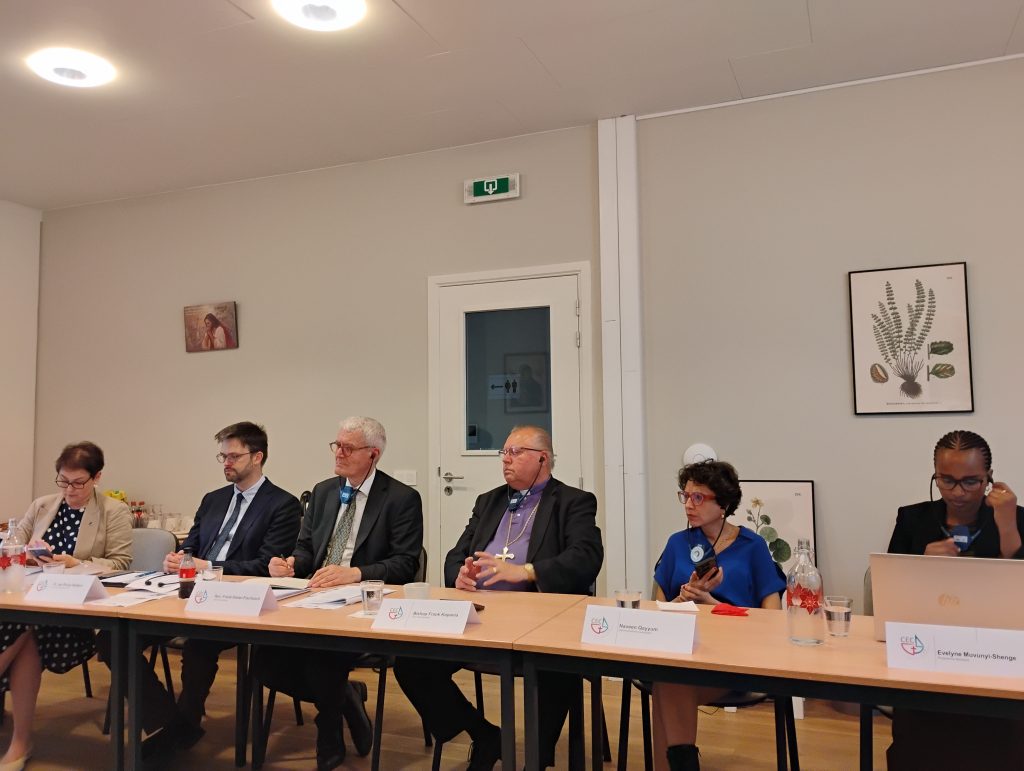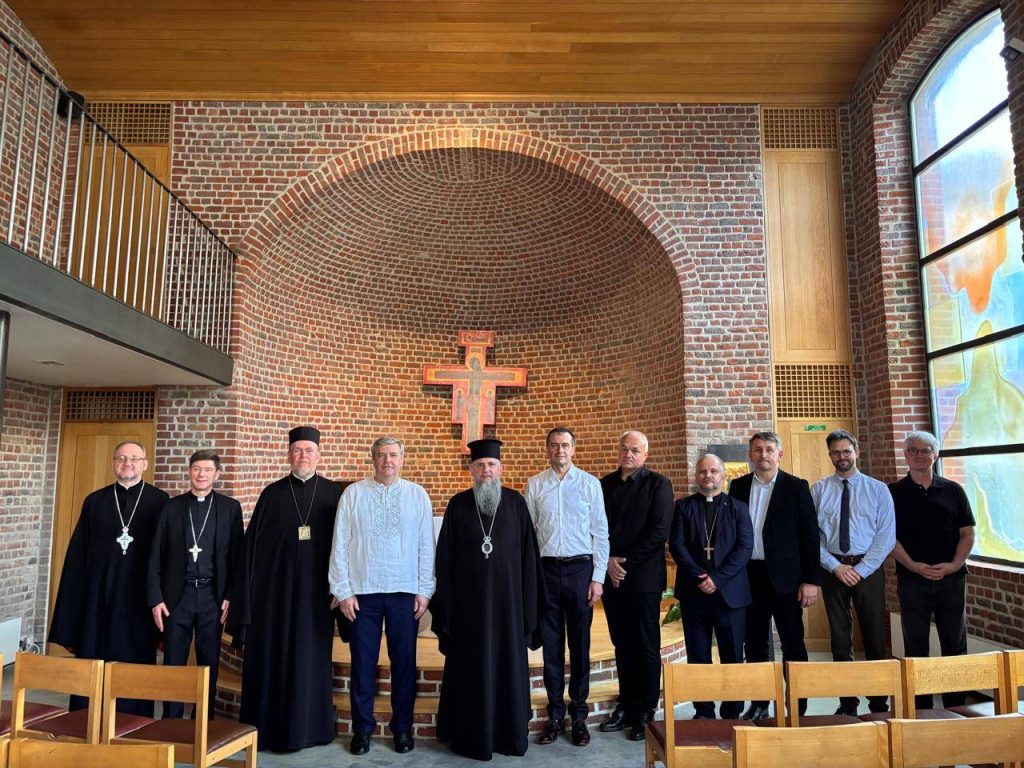
On Monday, 22 June, a delegation of the Ukrainian Council of Churches and Religious Organizations began meetings in Brussels with representatives of the Konrad Adenauer Foundation and religious institutions in the context of Ukraine’s European integration. The delegation includes Bishop of the German Evangelical Lutheran Church of Ukraine Pavlo Shvarts..
During the meetings, the Ukrainian representatives spoke about the challenges facing religious communities during the war, destroyed churches, lives lost and the consequences of Russian aggression. An atmosphere of openness and mutual trust made room both for sharing the Ukrainian experience and for listening attentively to European partners.
“We are grateful that people are listening to us. But it is also important for us to hear our European friends, understand their challenges and seek common ground for cooperation,” said Bishop Pavlo Shvarts..

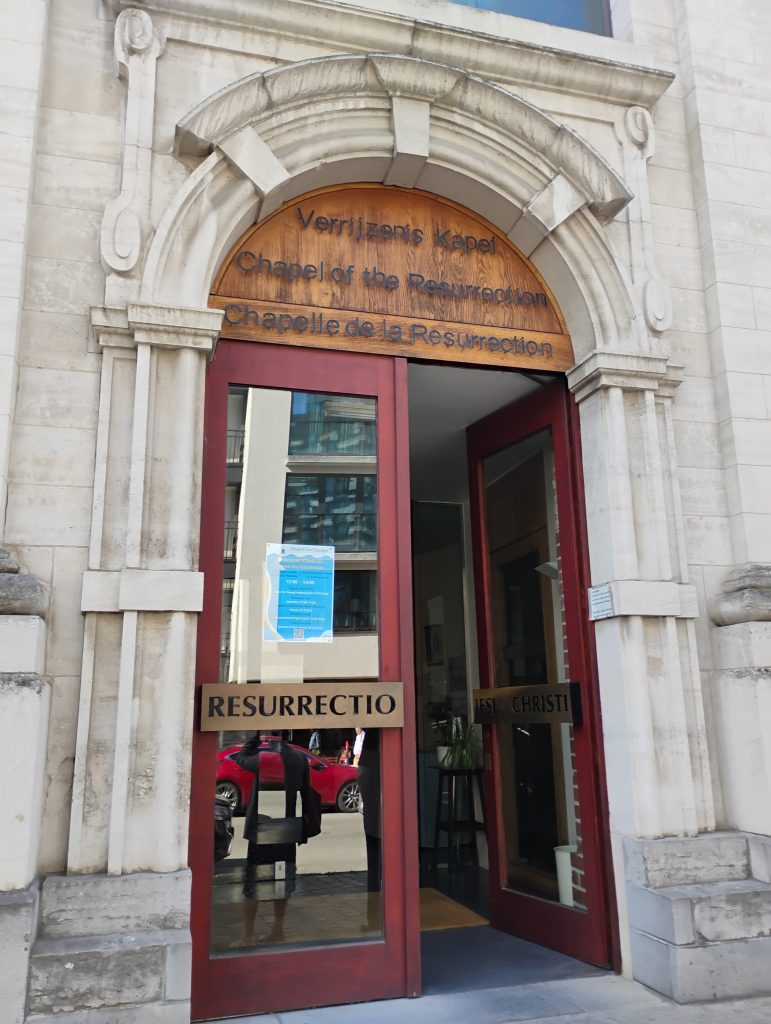
Participants emphasised that Ukraine’s path to the European Union is not only a political or economic process, but also a shared search for values. In the face of new threats to Europe, unity, mutual responsibility and solidarity take on particular importance, offering an alternative to a culture of consumerism. In the afternoon, the UCCRO delegation met representatives of the Conference of European Churches and joined in prayer at the Chapel for Europe. Ukrainian church leaders bore witness to the situation in Ukraine and thanked European churches for their solidarity, prayers and practical support.
“We are grateful for the opportunity to bear witness and tell our stories. But we also invite our brothers and sisters in Christ: ‘Come and see.’ A personal encounter with people in Ukraine can help others become witnesses—perhaps more persuasive witnesses for many people in Europe,” said Bishop of the German Evangelical Lutheran Church of Ukraine Pavlo Shvarts.

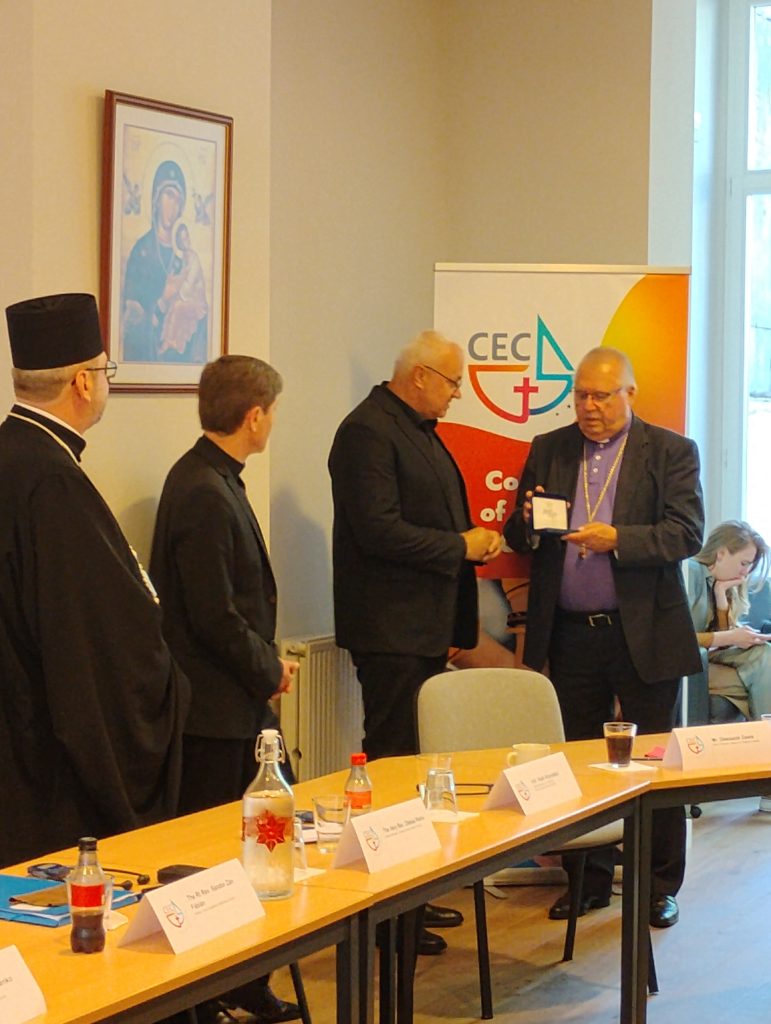

Participants stressed that despite the war, there are still many opportunities for shared ministry. Russian aggression creates tensions not only in Ukraine, but also within European societies. Migration, economic difficulties and support for Ukraine are increasingly subjects of debate and disagreement. This also causes concern among the millions of Ukrainians forced to seek refuge in European countries, including Poland.