
On 31 October, St Paul’s Lutheran Church in Odesa became the setting for a special spiritual gathering. For the first time, representatives of Evangelical Lutheran congregations from southern Ukraine came together for a Church Day dedicated to the Reformation. A festive worship service, shared prayer, church singing and a historical lecture united believers around their common Christian values.
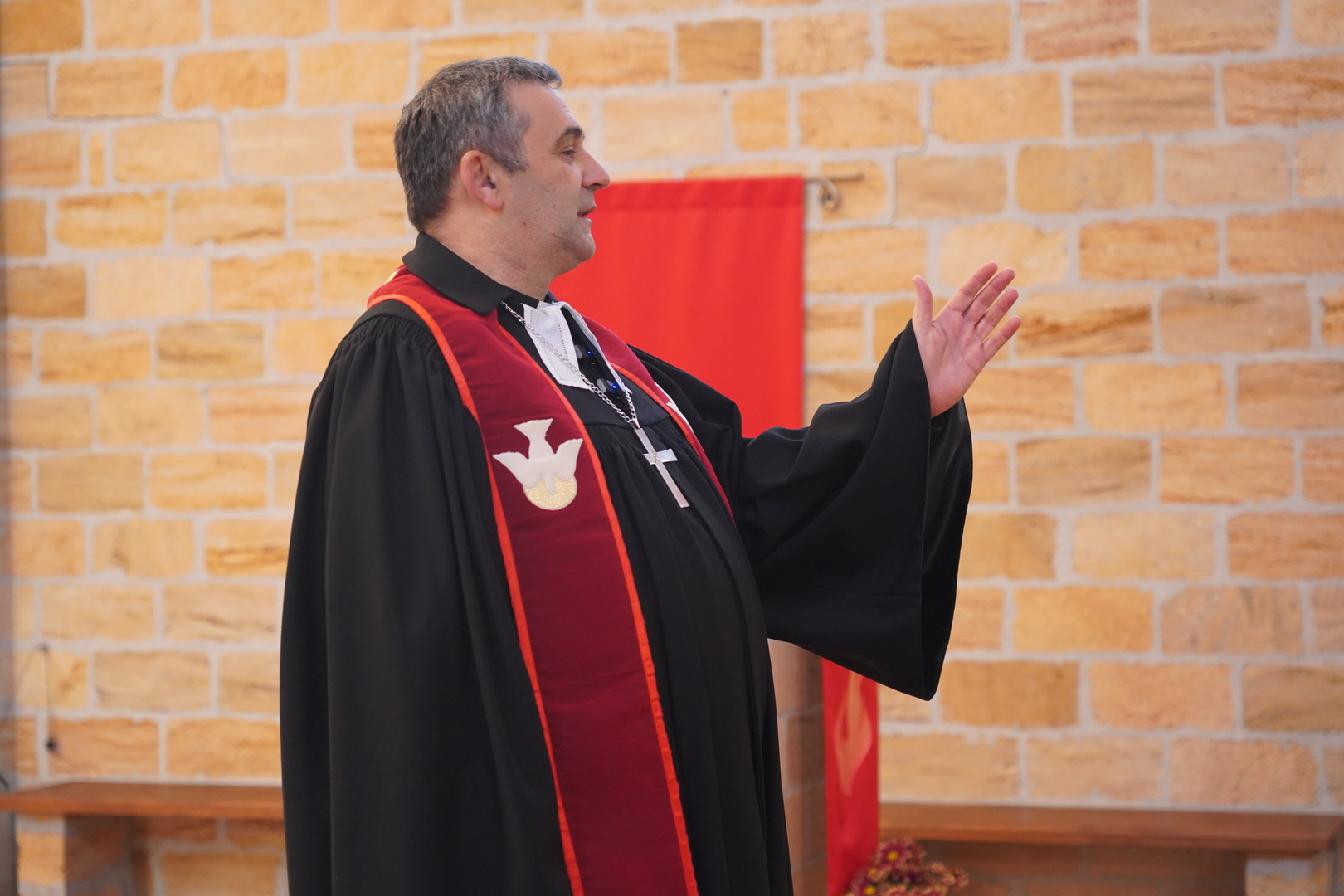
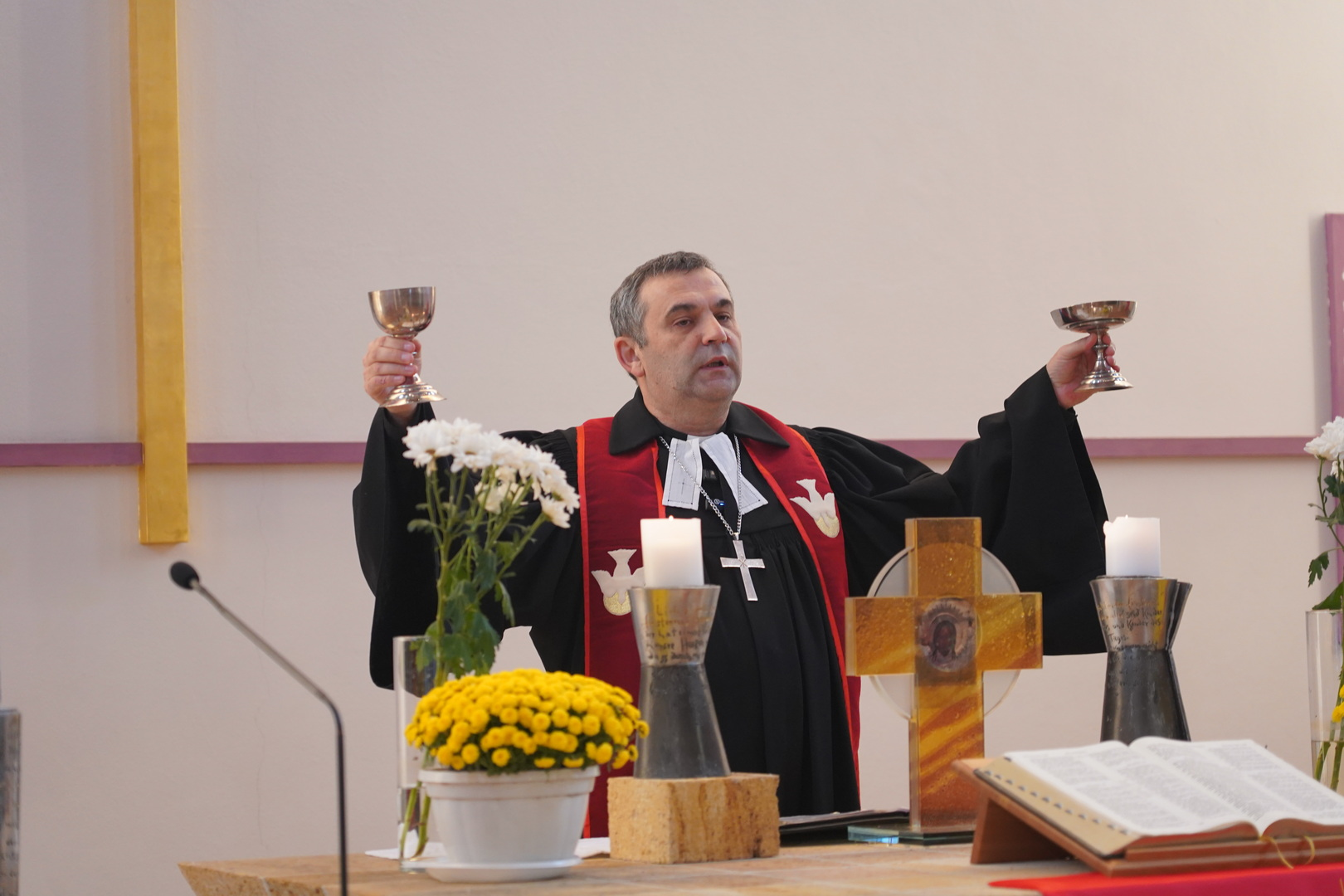
Sermon by Pastor Oleksandr Gross
To understand the significance of this occasion, it is worth recalling the history of the celebration itself.
The Reformation: an event that changed the history of Christianity
Reformation Day, celebrated every year on 31 October, is one of the most important occasions for Lutheran churches around the world. Its history goes back to 1517, when the German theologian and monk Martin Luther made public his famous Ninety-Five Theses, raising questions about church life, theology and the need to reform the Church of his time.
This step marked the beginning of a far-reaching spiritual and social movement known as the Reformation. Its ideas emphasised the importance of Holy Scripture, salvation through faith and God’s grace. One of the reformers’ central aims was a return to the biblical foundations of the Christian faith, access to the Word of God for everyone, and a conscious sense of personal responsibility before God.
The Reformation had a profound influence not only on religious life in Europe, but also on education, culture, printing, music and social thought. For Evangelical Lutheran congregations, this day is an opportunity to remember the reformers’ spiritual legacy, reflect on its meaning in today’s world and reaffirm their commitment to Christian values.
Church Day: southern congregations come together for the first time
This year, 31 October became a special day for the Evangelical Lutheran congregations of southern Ukraine. St Paul’s Lutheran Church in Odesa, part of the German Evangelical Lutheran Church of Ukraine (GELCU), hosted their first shared Church Day, dedicated to Reformation Day.
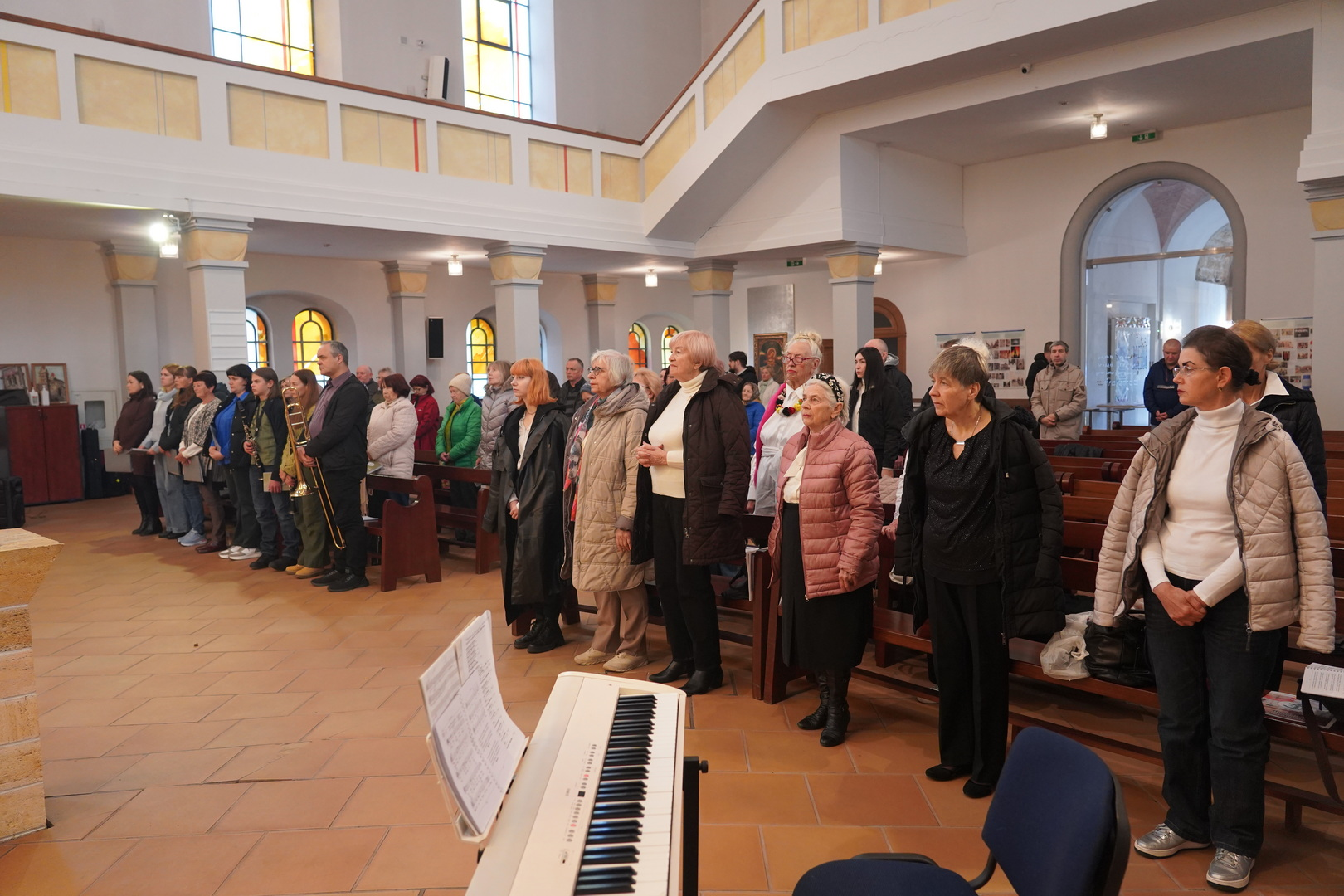
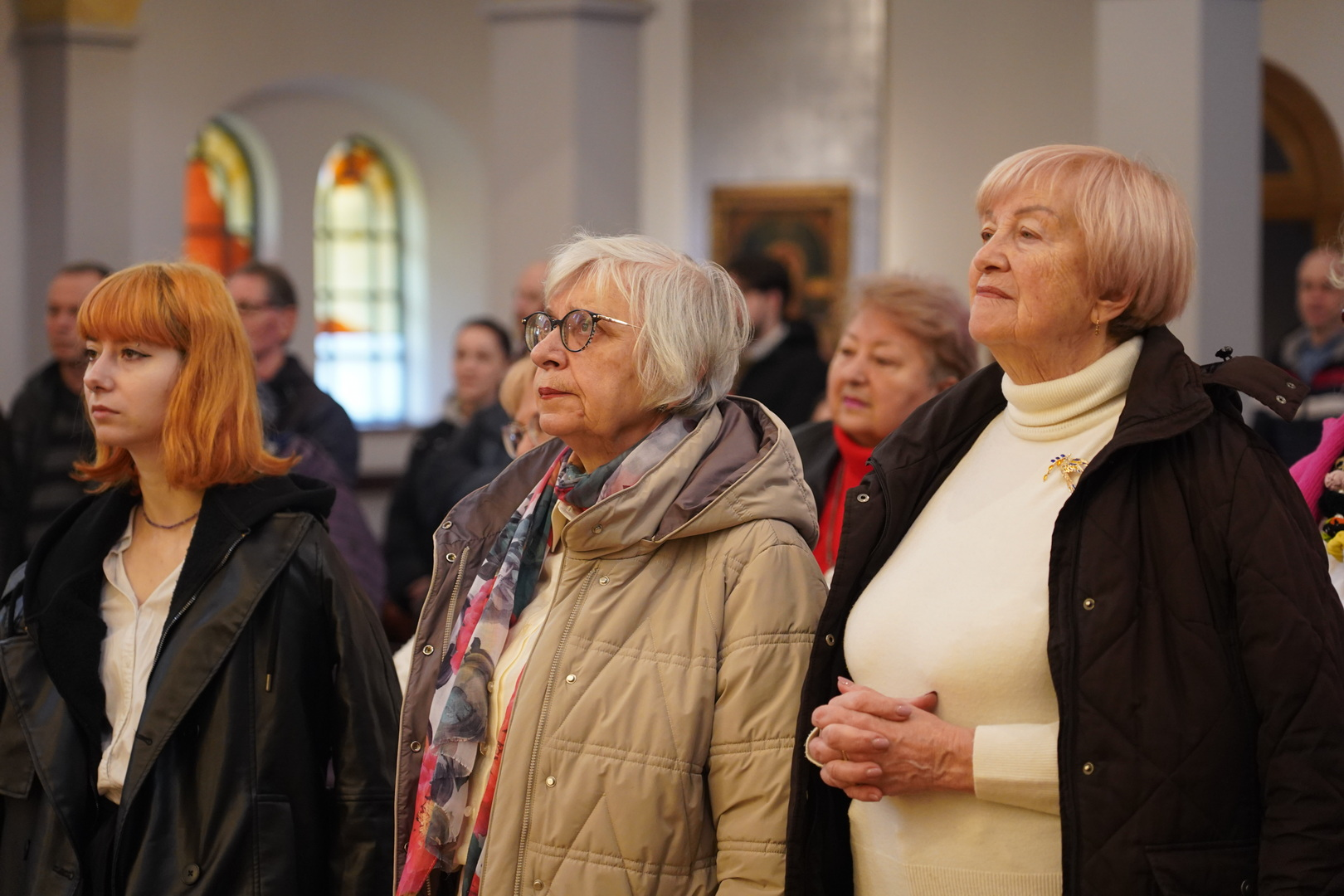
Representatives of congregations in Kryvyi Rih, Zmiivka, Mykolaiv, Odesa, Petrodolynske and Novohradkivka gathered for this spiritual celebration. People of different generations, united by a common faith, had an opportunity to meet, talk, pray together and feel part of the wider Lutheran family.
At the heart of the gathering was a festive worship service, held in an atmosphere of spiritual joy and fellowship.
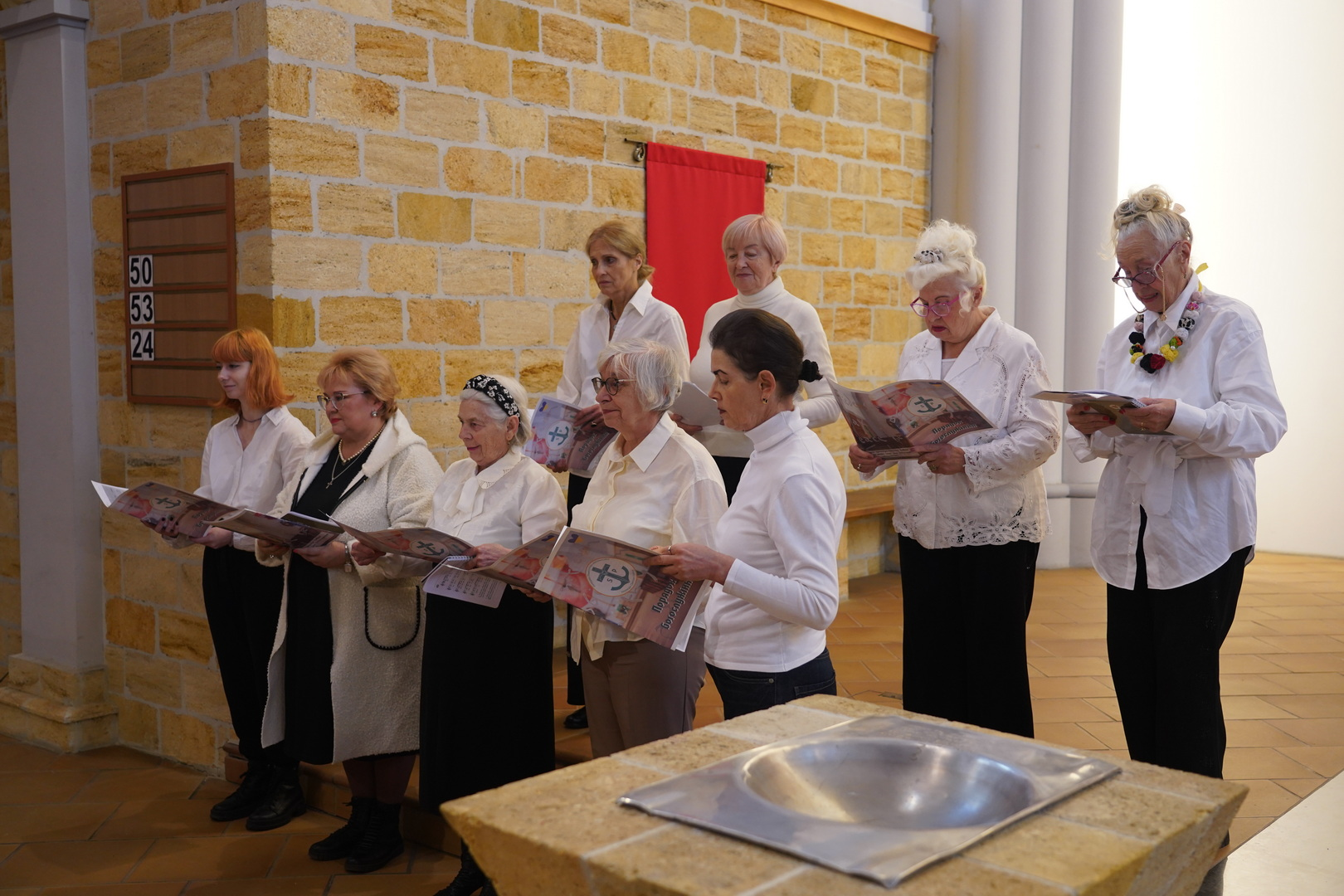
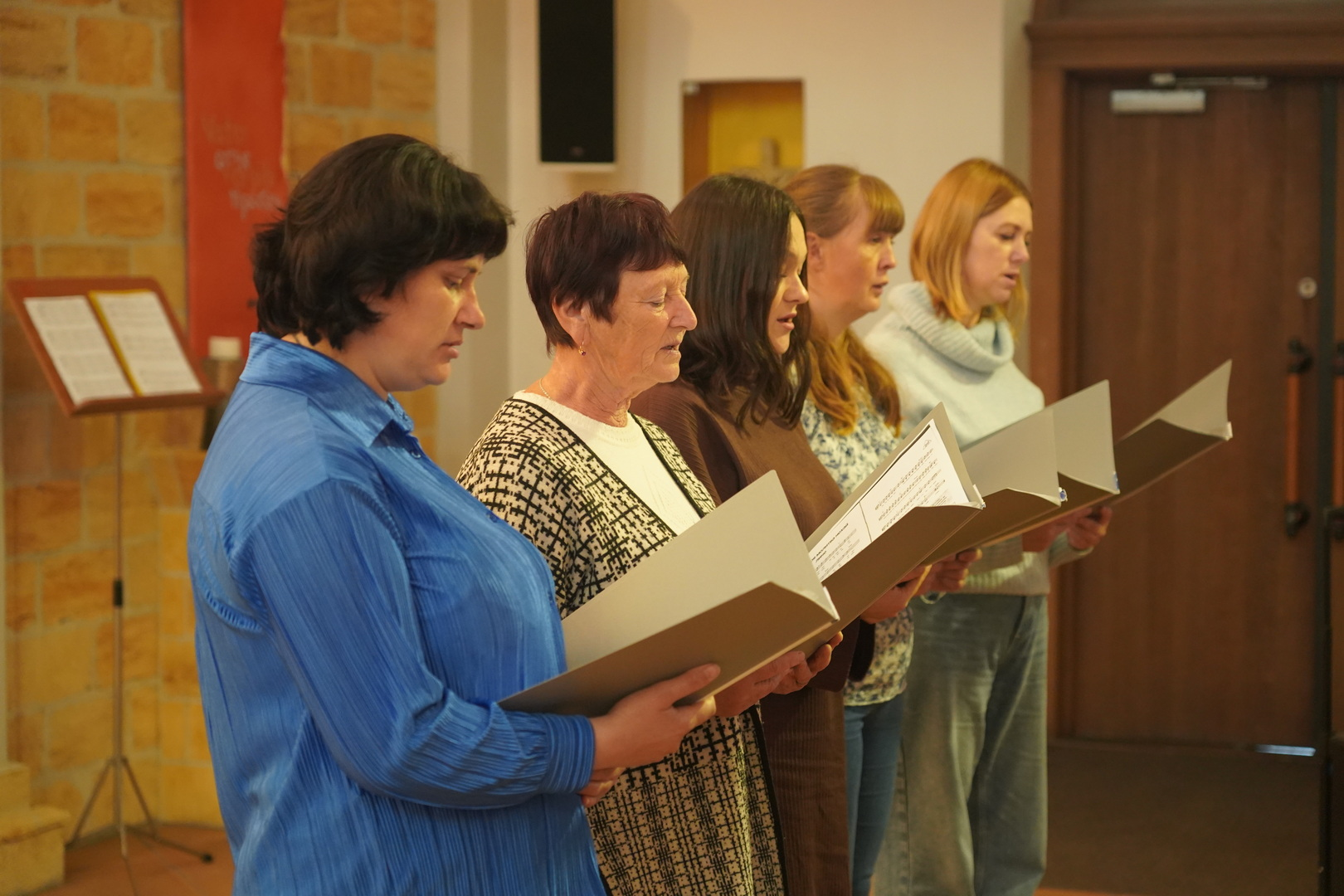
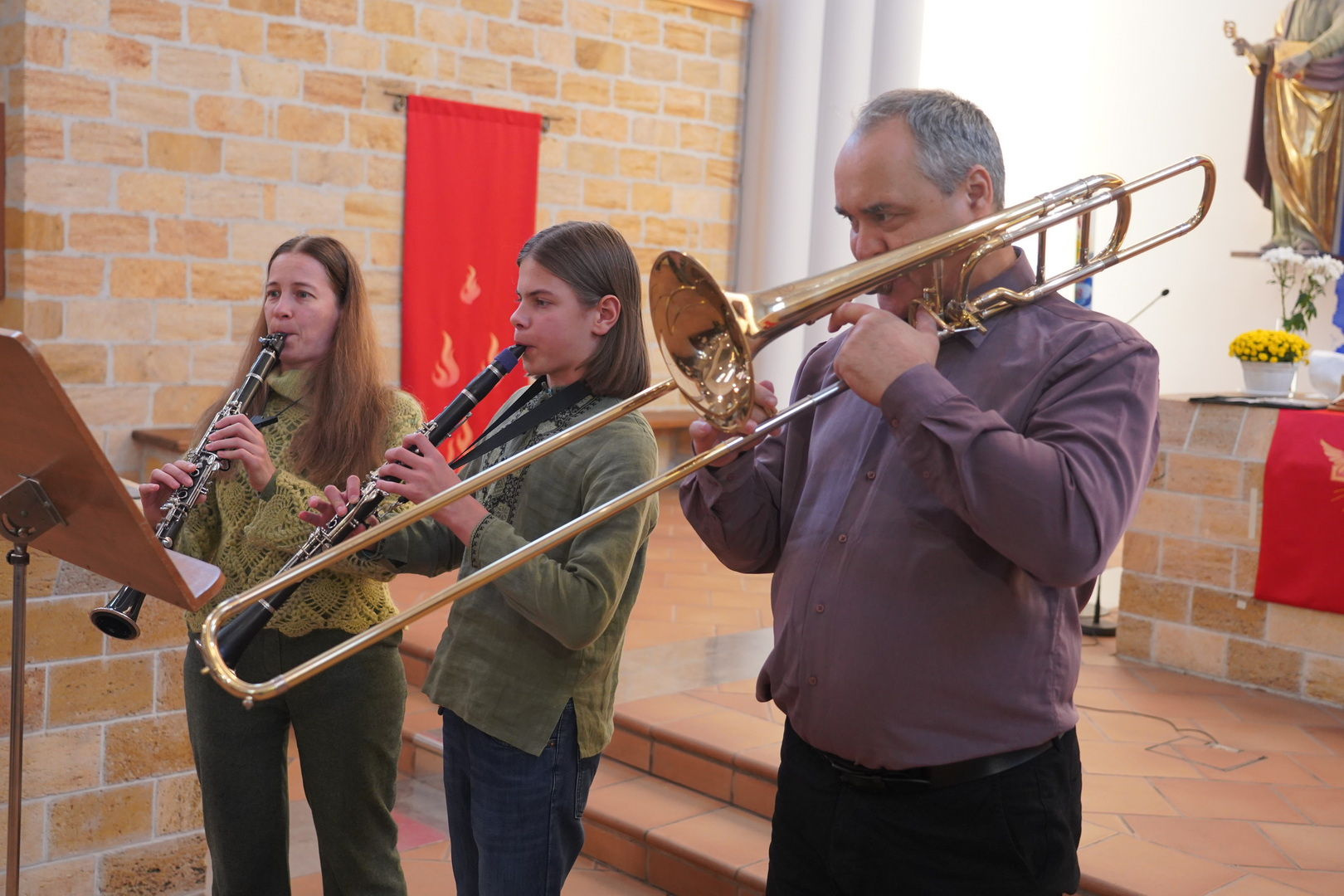
Music had a special place in the service. Choirs from the Evangelical Lutheran congregations of Petrodolynske and Odesa glorified God through their singing. Musicians from Kryvyi Rih and Odesa complemented the service with instrumental pieces, creating a distinctive musical atmosphere.
Church singing and music became an integral part of worship, a heartfelt prayer and shared praise of the Lord. In this way, music in the Lutheran tradition helps people experience the spiritual meaning of faith more deeply.
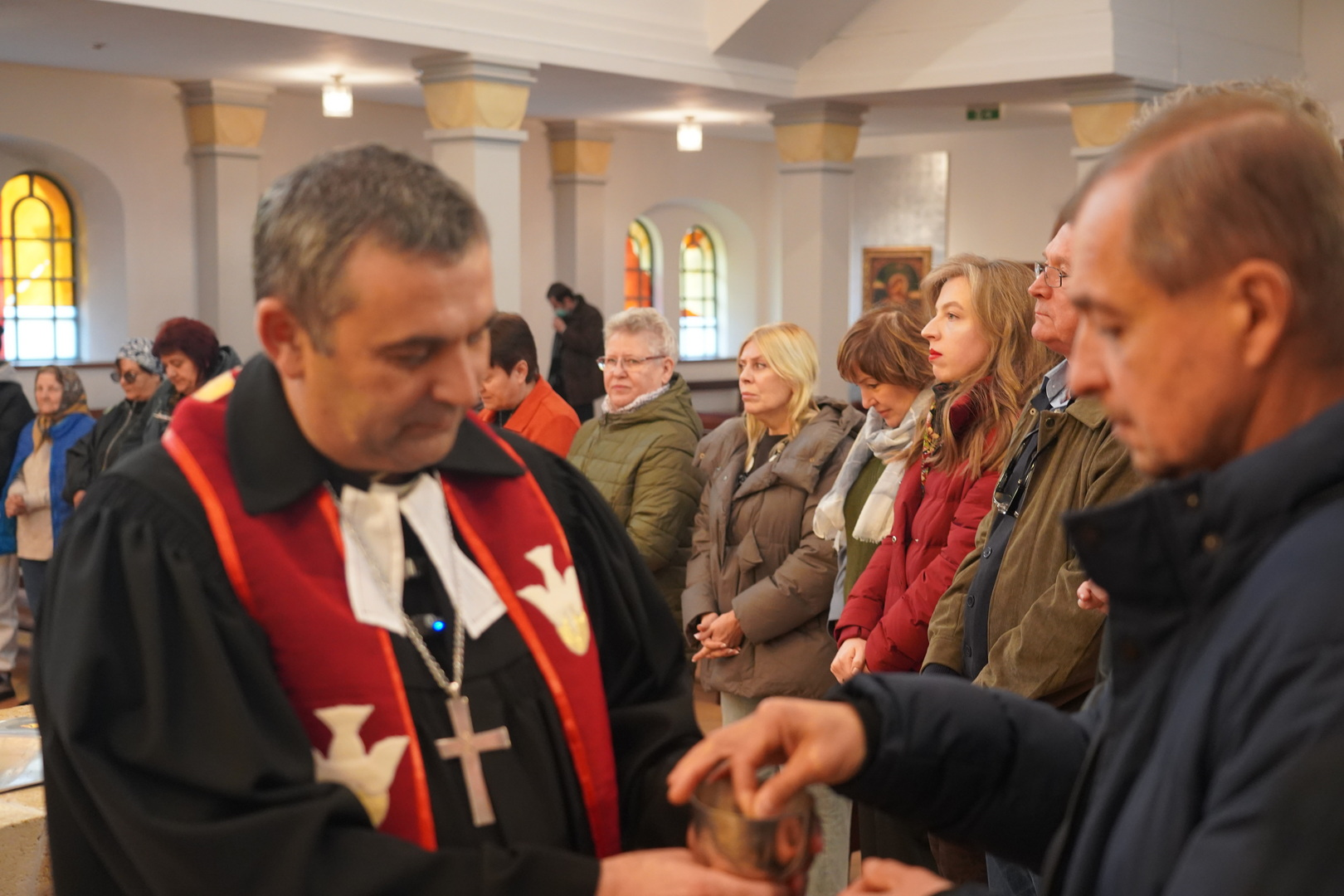
Throughout the service, believers gathered around the Word of God, prayed for one another and took part in the Sacrament of Holy Communion.
From the history of the Reformation to the challenges of today
After the service, a festive meal continued the atmosphere of hospitality and fellowship. Around the shared table, representatives of different congregations had an opportunity to get to know one another better and exchange news, impressions and experiences of church life.
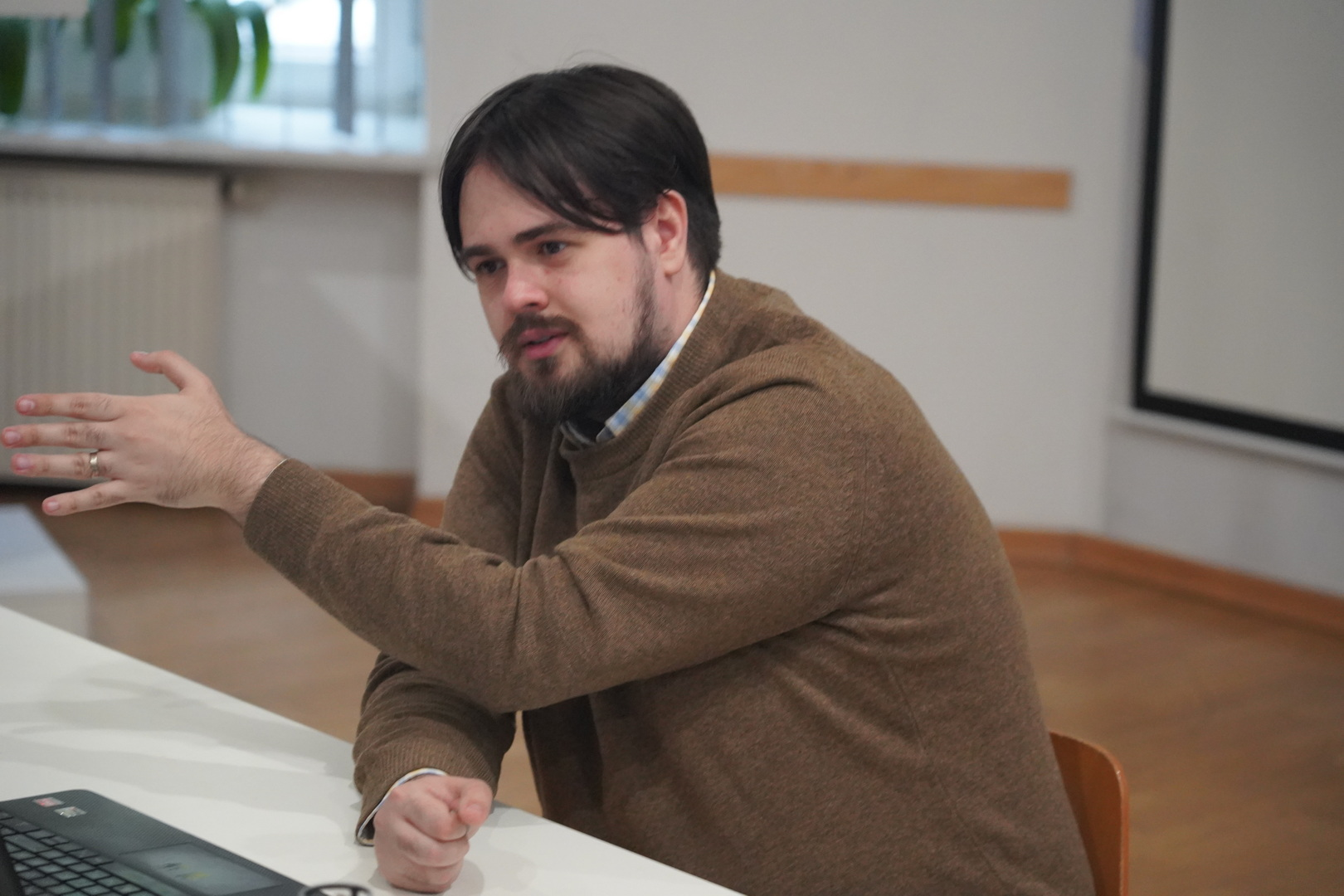
An important part of the programme was a lecture by historian and religious studies scholar Vladyslav Fediuk, entitled “The Reformation and Its Significance for Lutheran Congregations Today”, held at the Museum of the History of Black Sea Germans.
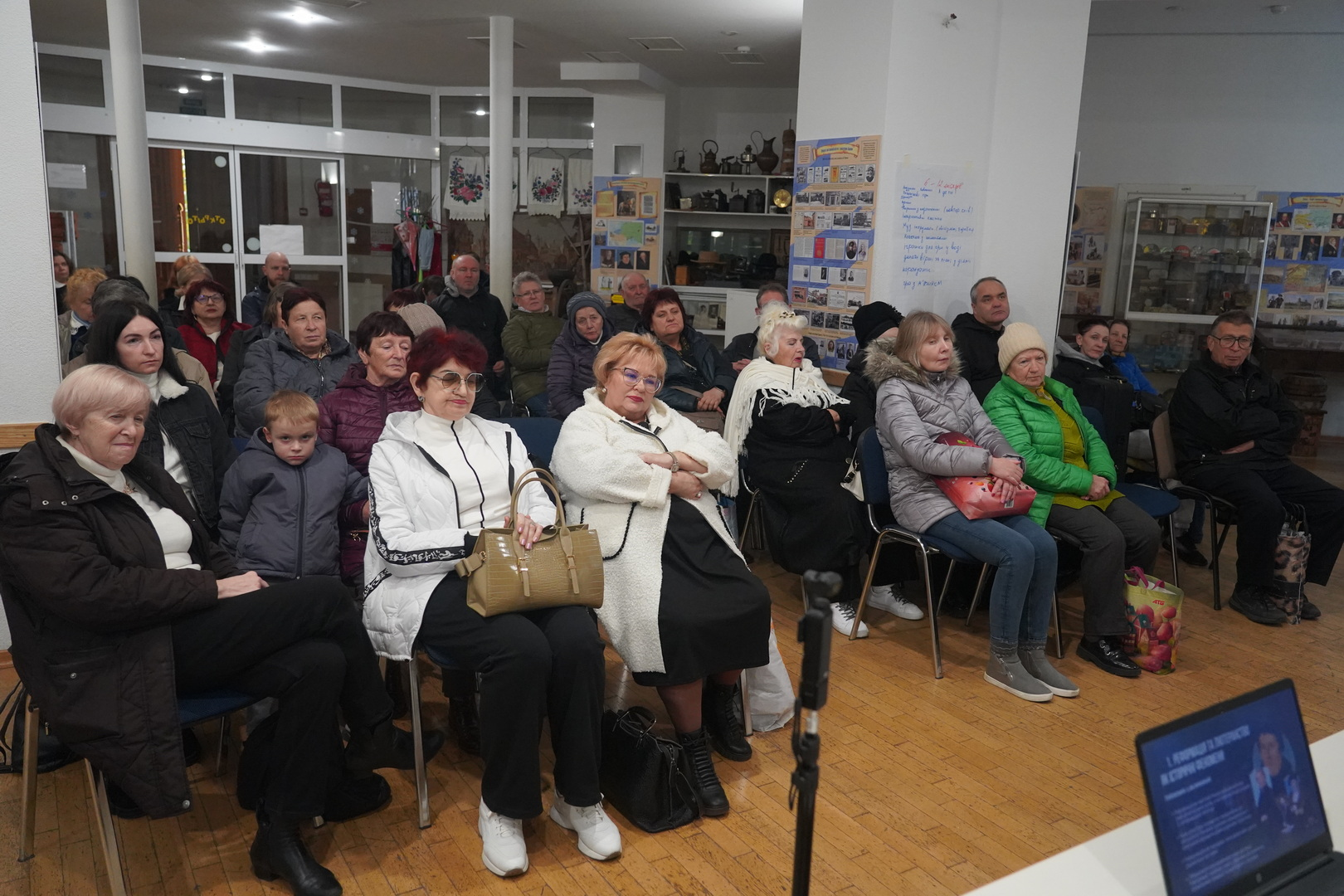
The speaker invited participants to revisit the events of the 16th century to better understand their influence on contemporary Christianity. The lecture explored the spiritual background to the Reformation, its central ideas and their continuing relevance to church communities today.
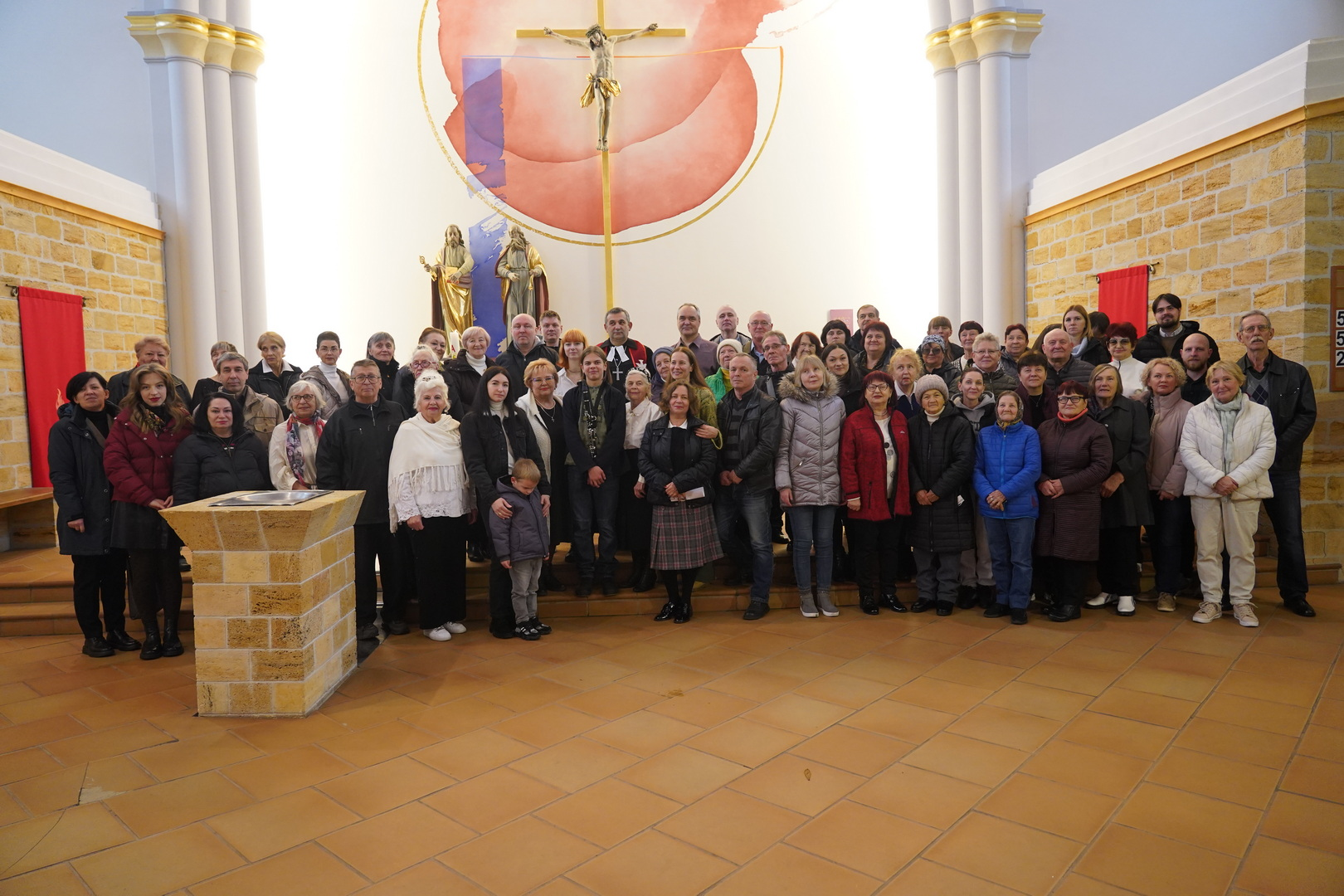
This discussion offered an opportunity to see the Reformation not only as an important chapter in European history, but also as a living spiritual legacy that continues to shape church life, inspire the search for truth, strengthen faith and encourage responsible service to others.
Unity born of a shared faith
The special significance of this first shared Church Day lies in bringing together congregations from different cities and communities across southern Ukraine. In wartime, when people’s everyday lives face so many trials, such gatherings are particularly precious. They help believers feel the support of fellow Christians, strengthen mutual trust and build closer ties between congregations.
The day bore witness to the fact that the Church is, above all, people united by faith, prayer, love and a desire to serve God and their neighbours. Shared singing, prayer and Holy Communion help people experience that unity especially deeply.
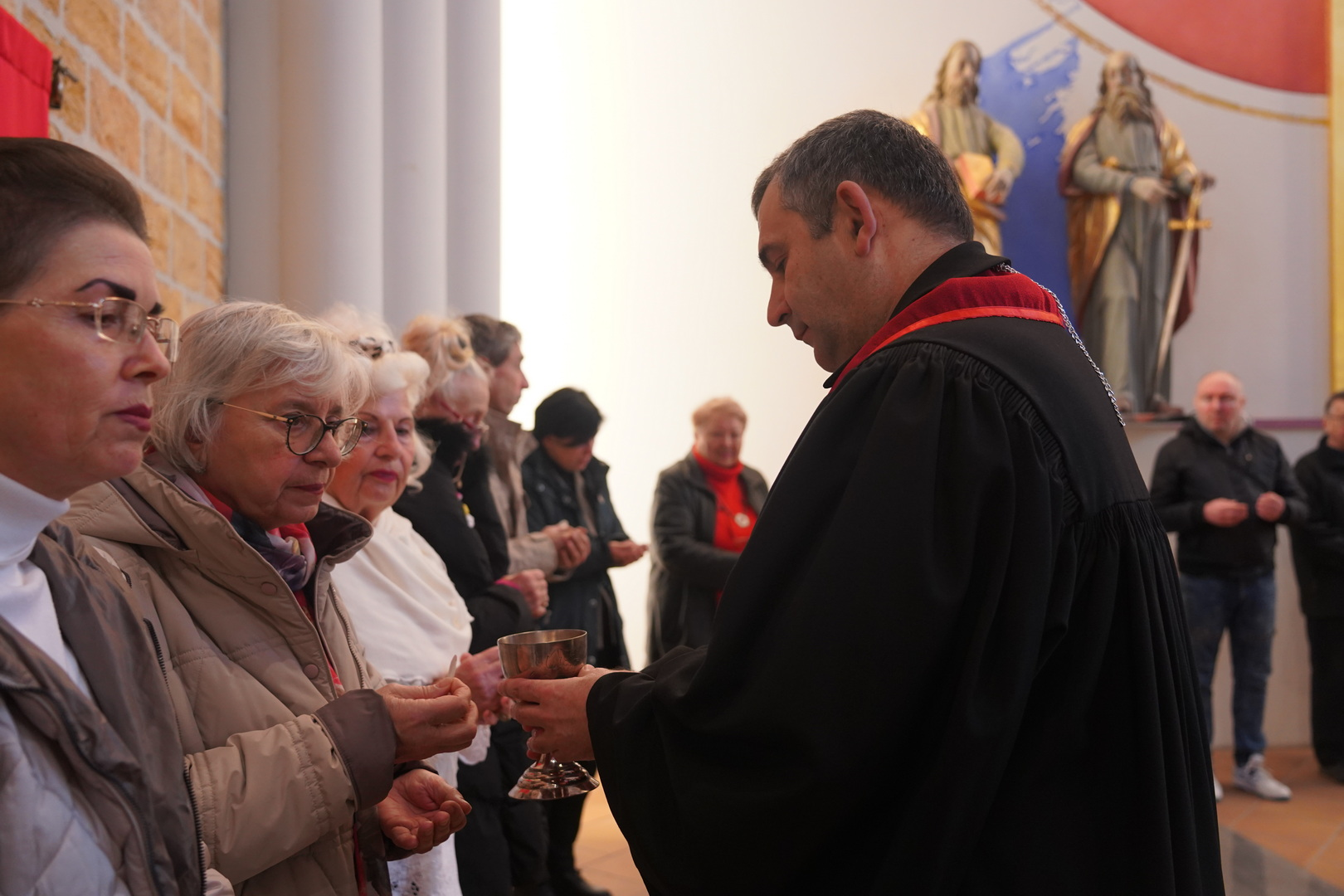
Pastor Oleksandr Gross expressed heartfelt thanks to God for the opportunity to spend this special day together, for safety, spiritual support and the unity of the congregations. He also thanked the congregational councils for their initiative, active involvement and willingness to take part in shared events.
The first Church Day at St Paul’s Lutheran Church in Odesa left more than warm memories. It also brought an important realisation: despite distance and difficult circumstances, congregations can come together, support one another and glorify the Lord together.
“Let us unite! Together we are strong!” These words became a fitting spiritual conclusion to a gathering that may well begin a lasting tradition of shared Church Days for the Evangelical Lutheran congregations of southern Ukraine.
Reformation Day concert
Source: St Paul’s Congregation, Odesa.