
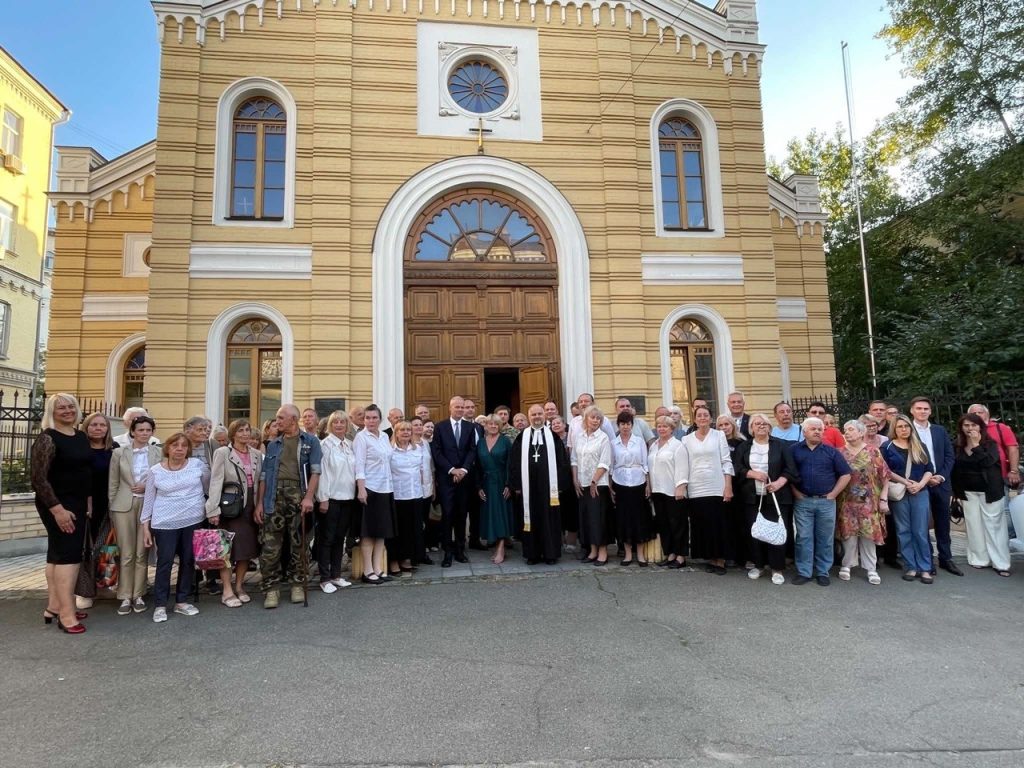
On 28 August 2026, St Catherine’s German Evangelical Lutheran Church in Kyiv held a commemoration marking the 85th anniversary of the deportation of Ukraine’s Germans. Representatives of the German community, the Church, state institutions, the diplomatic corps and Ukraine’s national communities gathered to remember a tragic chapter in the history of Ukrainian Germans and honour the victims of Soviet repression.
In 1941, Germans whose families had lived in Ukraine for generations became victims of mass repression and forced displacement. Thousands of families were deprived of their homes, property and familiar way of life and deported to remote parts of the Soviet Union. Deportation, forced labour, family separation and years of restrictions left deep scars across several generations of Ukrainian Germans.

This is why 28 August is not only a day of mourning, but also a day for preserving historical memory and passing it on to future generations.
The commemoration at St Catherine’s began with an opening address by the chair of St Catherine’s congregation and Kyiv’s Wiedergeburt German association, Lidiia Zelsdorf. She welcomed those present and emphasised the importance of remembering the people and families who endured deportation, repression and forced life far from their homeland.
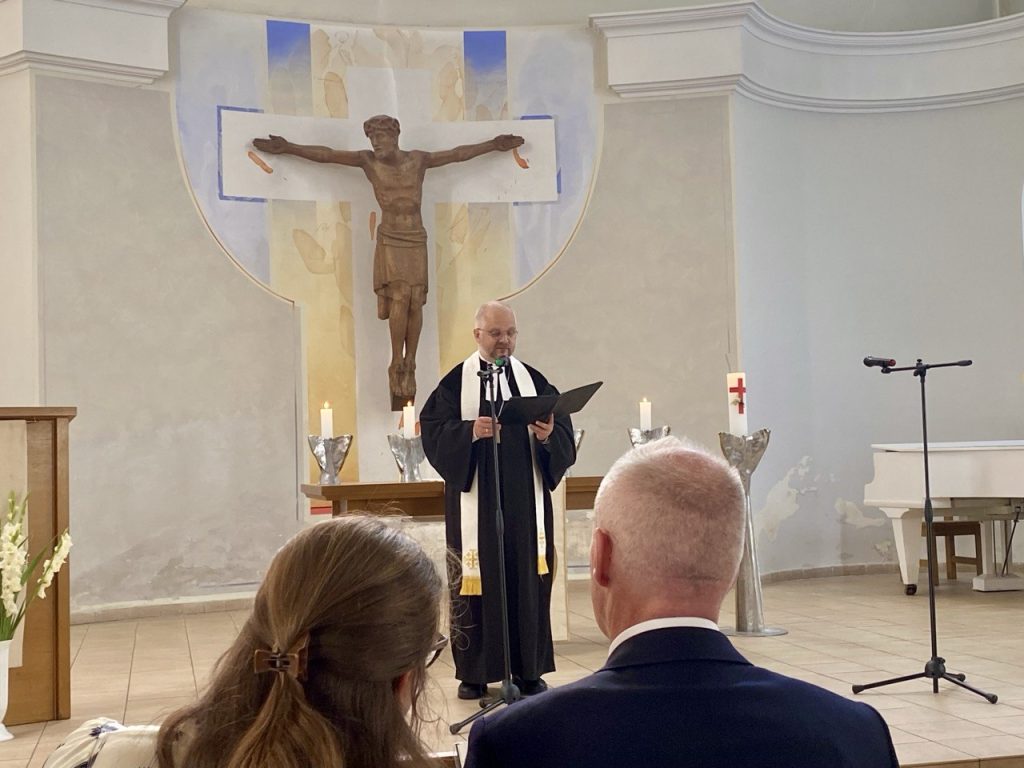
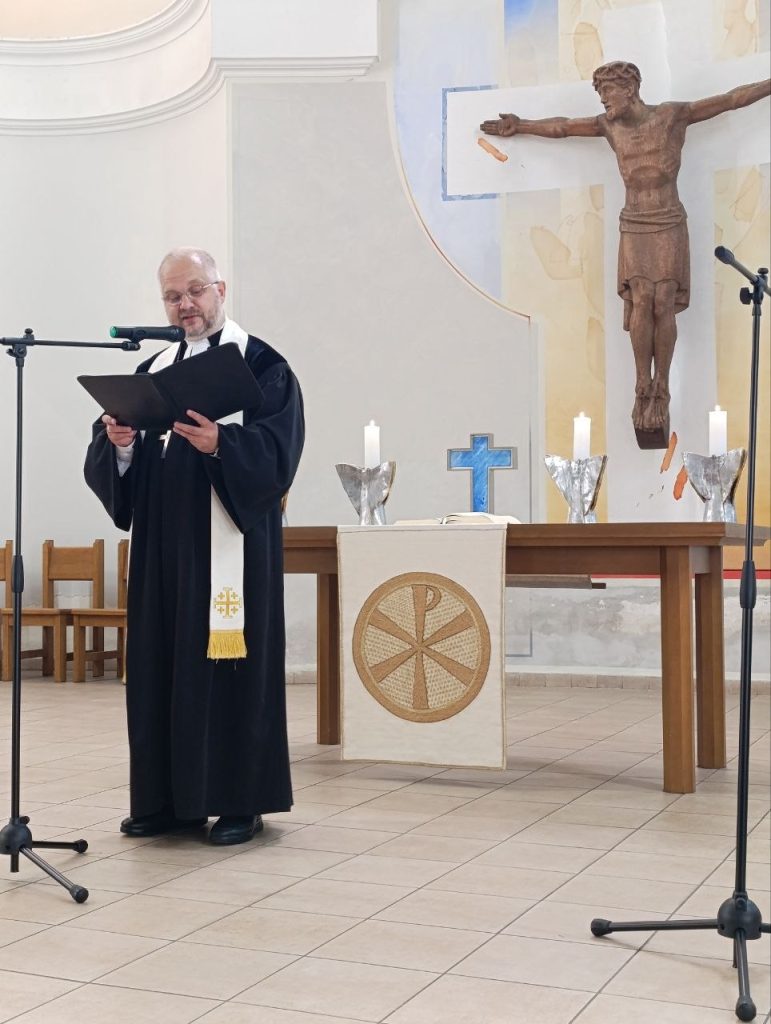
At the heart of the gathering was a Service of the Word, led by the Bishop of the German Evangelical Lutheran Church of Ukraine, Pavlo Shvarts.
In his sermon, the Bishop noted that, sadly, the events of 85 years ago have much in common with our present circumstances. Today, the enemy once again seeks to deprive people of their homes, lives and freedom.
At the same time, he stressed that we must remember those who died and cherish their memory with love. We may weep, for faith does not deny the presence of evil and calls us to name it for what it is. Yet we may also hope, because the last word belongs not to death but to Christ, who has overcome it.
Prayer:
Our Father, God of our fathers and mothers, who led them along the paths of life and comforted them in the hour of death!
At this time, we remember the sorrowful journeys of past generations, their pain, suffering and hopes. You stood beside them in exile and affliction.
You heard their voices, answered their prayers, eased their pain and gave them eternal hope in Christ.
Your Holy Spirit comforted them where there was no comfort and brought joy amid the deepest darkness.
Merciful Lord, You were their light and strength, and today You are our light and life. Our paths now resemble theirs, for we live in a time of war when death feels so close. God, You are our refuge and support today, just as You were for our forebears.
From everlasting to everlasting, You are God. Bless us, Father, with the light of Your countenance, and grant us peace.
Amen
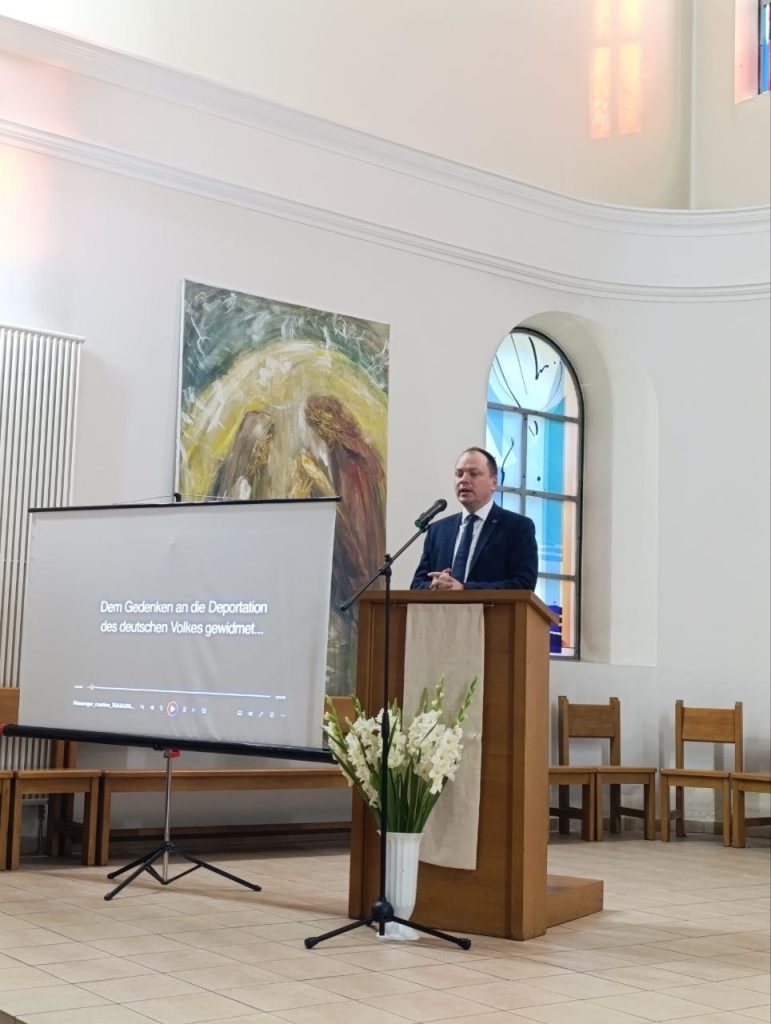
After the service, the gathering was addressed by its distinguished guests.
Words of remembrance and solidarity were offered by the Ambassador of the Federal Republic of Germany to Ukraine, Boris Ruge. The participation of Germany’s representative held particular significance for Ukraine’s German community, which today forms a living bridge between Ukraine and Germany.
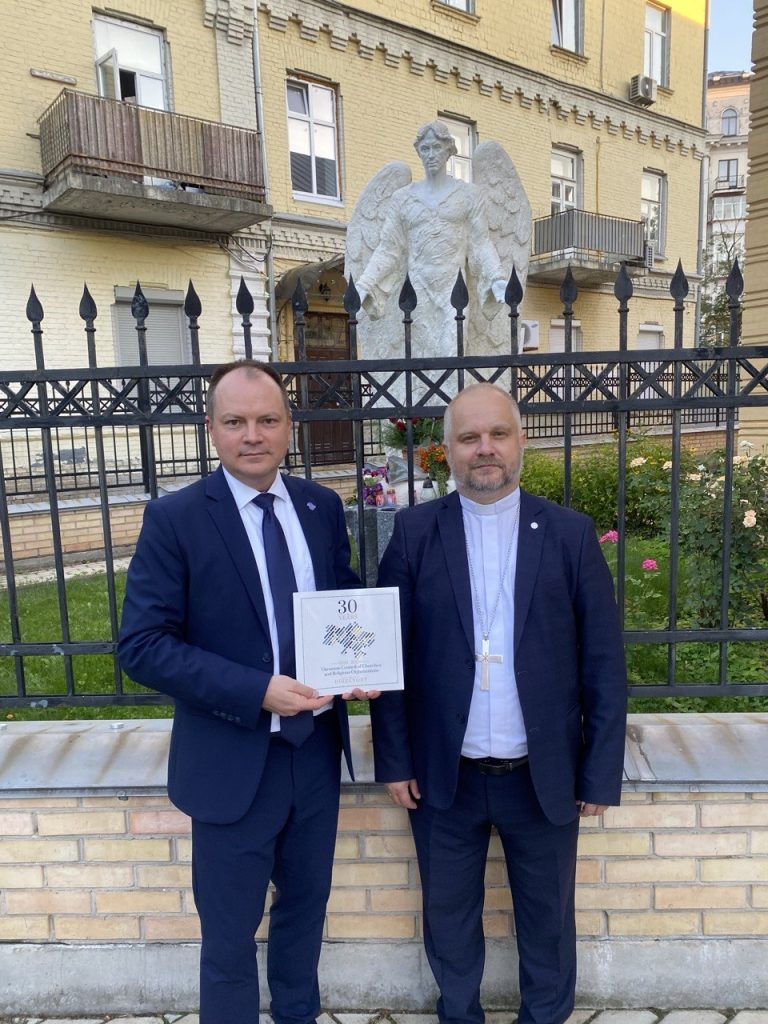
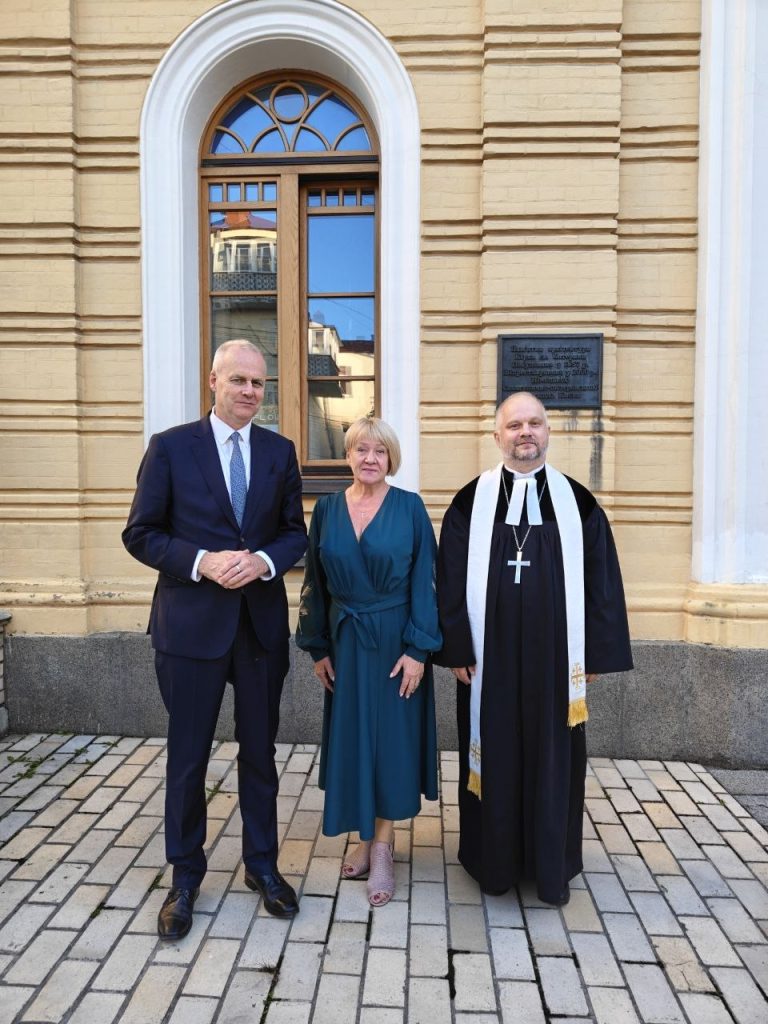
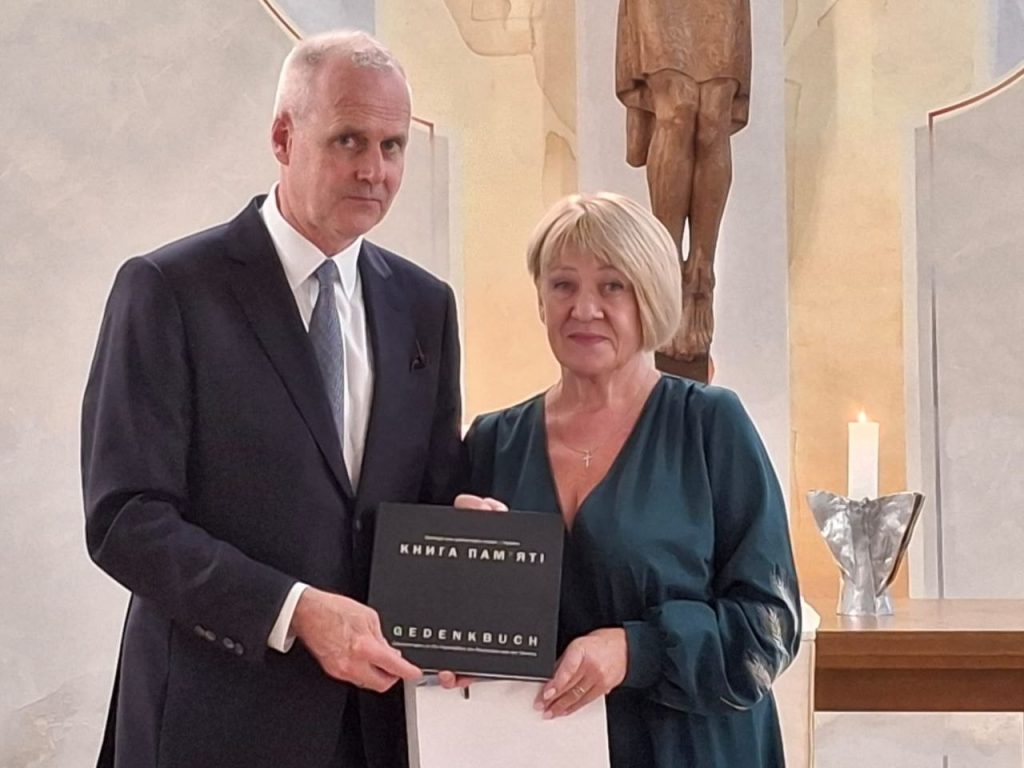
The gathering was also addressed by the Deputy Head of Ukraine’s State Service for Ethnopolitics and Freedom of Conscience, Ihor Verner, who emphasised the importance of historical memory, protecting the rights of national communities and preserving their cultural identity.
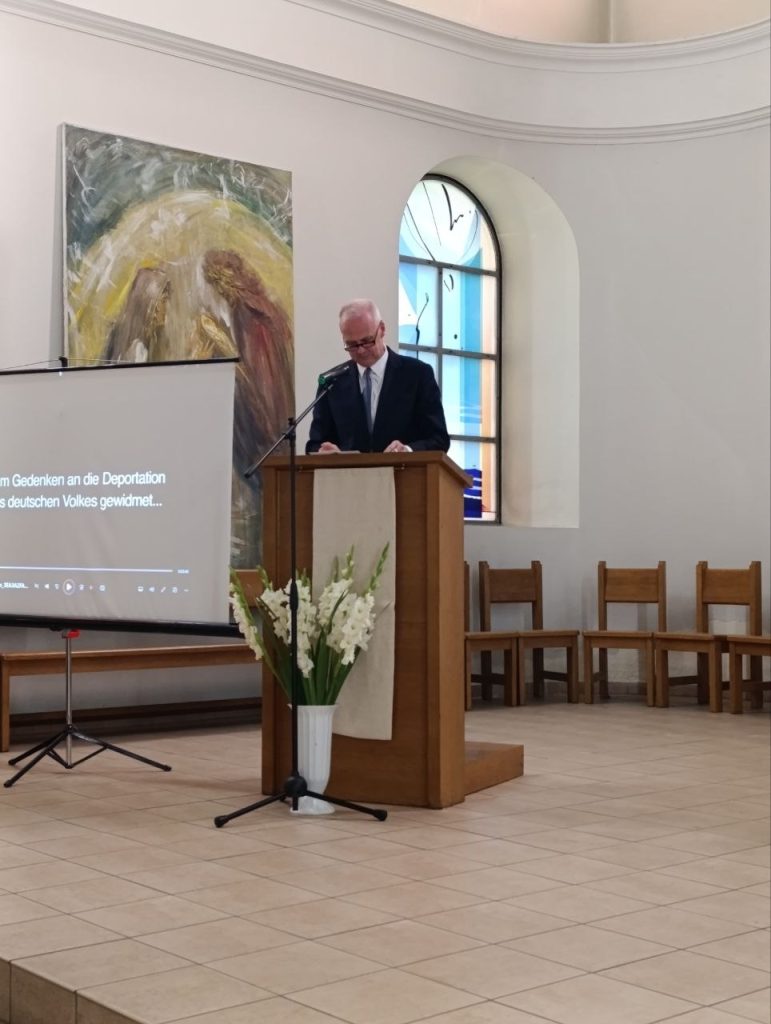

Words of remembrance were offered by the Chair of the Council of Germans of Ukraine, Volodymyr Leisle. The Chair of the Council of National Communities of Ukraine, Ashot Avanesian, expressed the solidarity of Ukraine’s different national communities with its Germans. Greetings were also offered by Rene Safarova, a representative of Kyiv’s Azerbaijani diaspora.


A particularly moving atmosphere of remembrance was created by a requiem concert performed by St Catherine’s congregational choir, conducted by Larysa Sorokopud. Music became a continuation of prayer, expressing what words sometimes cannot: grief for those who died, compassion for those who suffered and hope for reconciliation and peace.

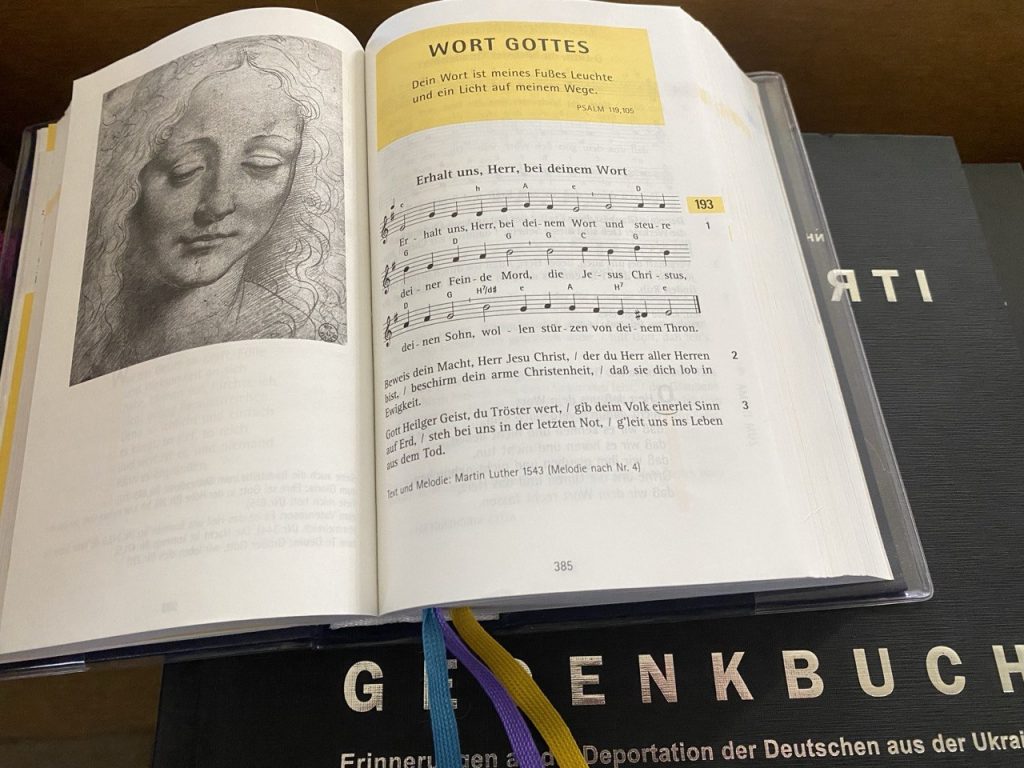
During the event, the church also hosted a themed exhibition on the repression and deportation of Ukraine’s Germans. Documentary materials reminded visitors that behind the large figures of historical statistics are individual people: their families, homes, work, faith, losses and hopes.
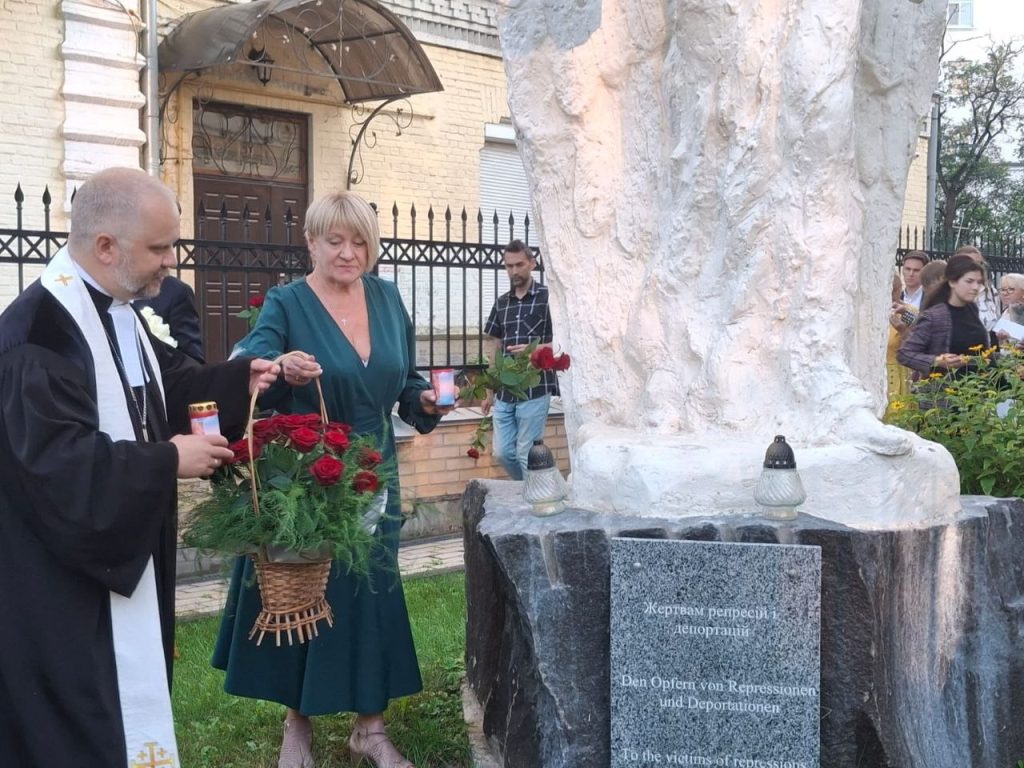
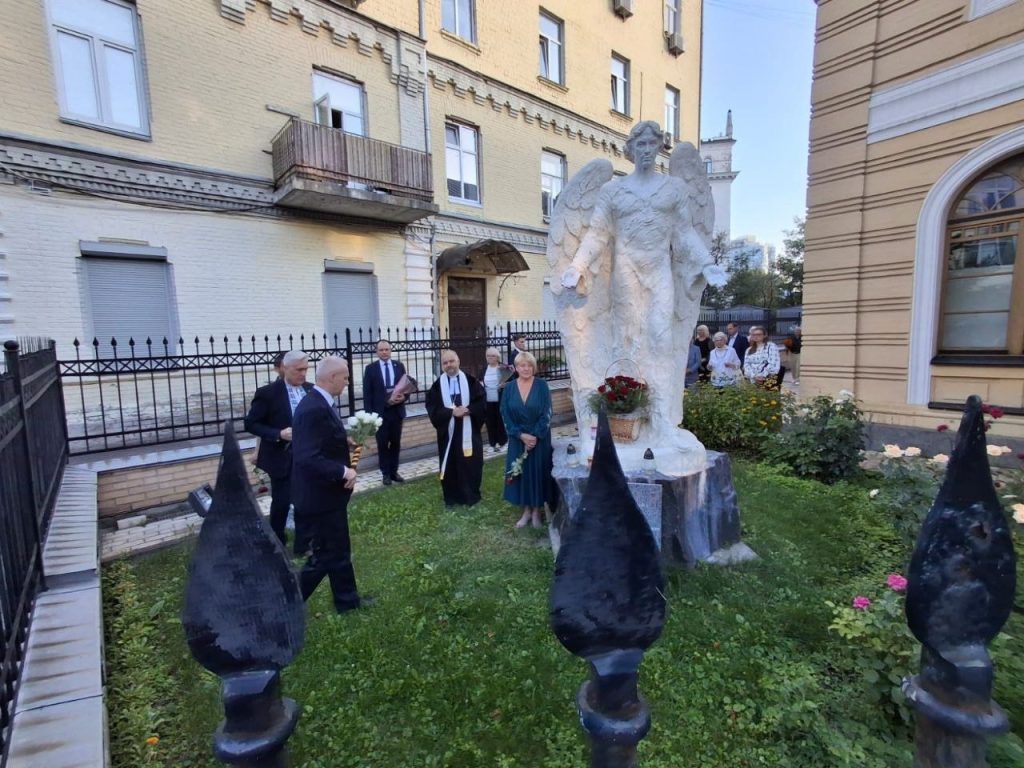
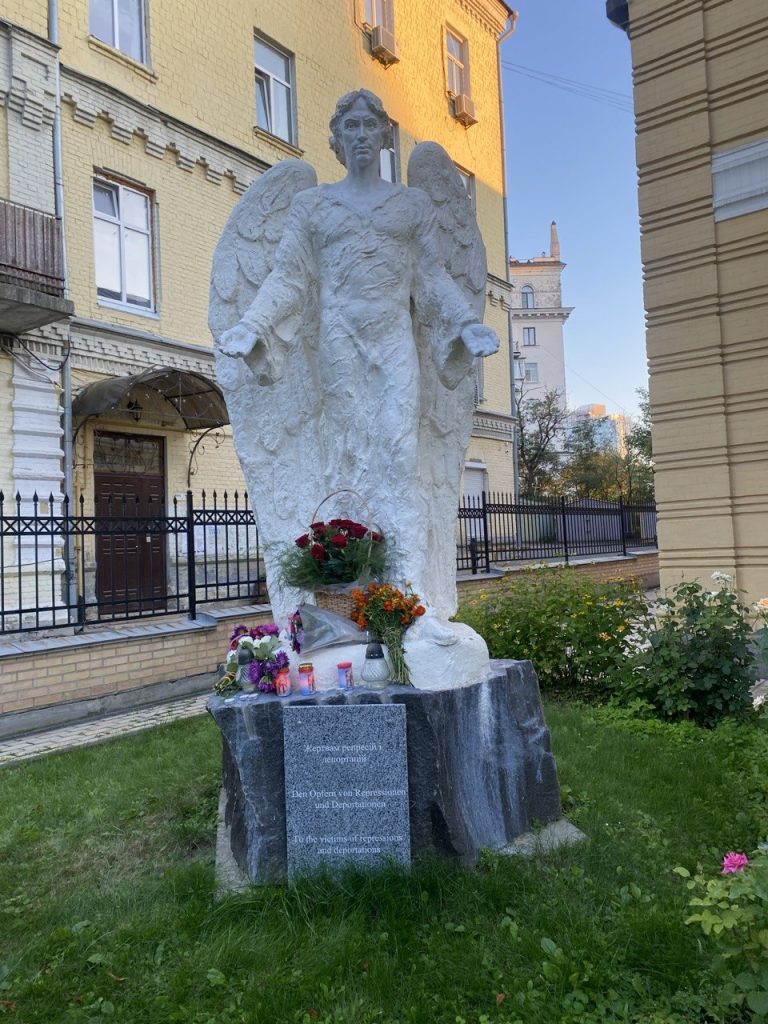
The commemoration concluded at the Grieving Angel sculpture. Participants laid flowers and lit candles in memory of the victims of deportation and repression.