
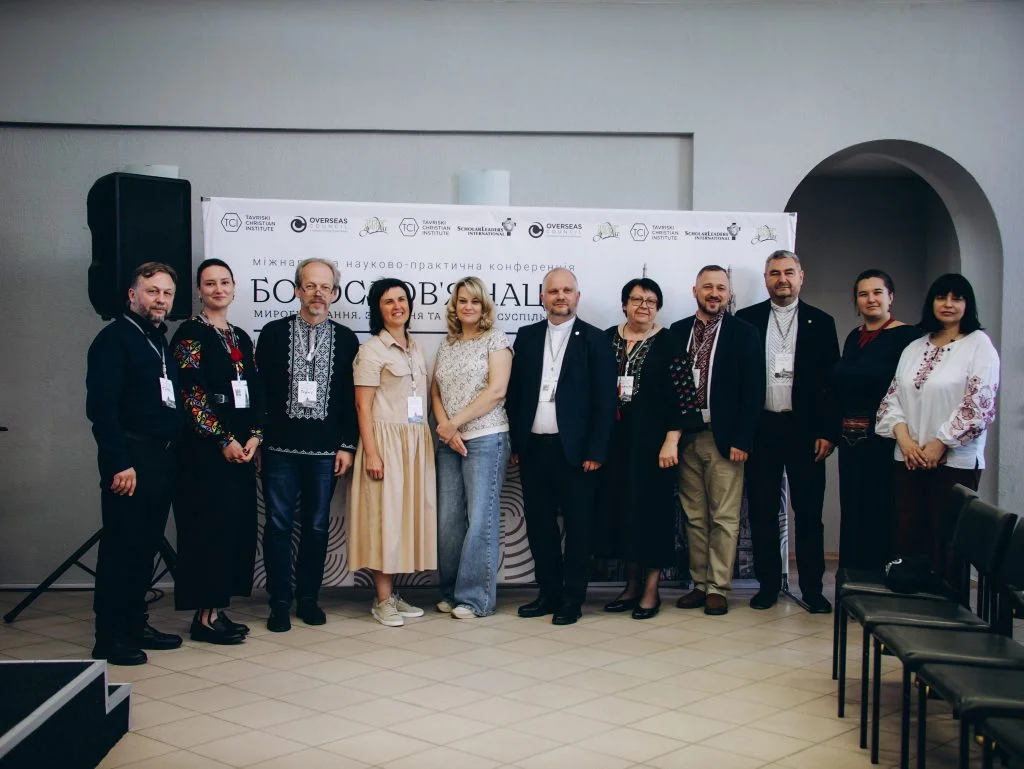
On 29–30 August 2025, Kyiv hosted the international academic and practical conference “Theology of the Nation: Peacebuilding, Healing and Social Unity”. It was organised by the Tavriski Christian Institute, an institution of higher theological education for evangelical Christians, primarily Evangelical Christian Baptists.

Following Russia’s full-scale invasion in February 2022, the Institute relocated to Ivano-Frankivsk in search of a safe place to continue teaching. There it continued training future Ukrainian evangelical theologians for a time, before moving its work to Kyiv in the summer of 2024.

The Institute combines an ecumenical approach to education with faithfulness to the evangelical tradition. This was its fourth “Theology of the Nation” conference. This year’s principal partners were the civil society organisation Dialogue in Action and international organisations supporting evangelical theology and religious education, including ScholarLeaders International and Overseas Council. The first conference, “The Church on the Path towards a Theology of Nation and Citizenship”, took place in Ivano-Frankivsk on 16–17 September 2022.
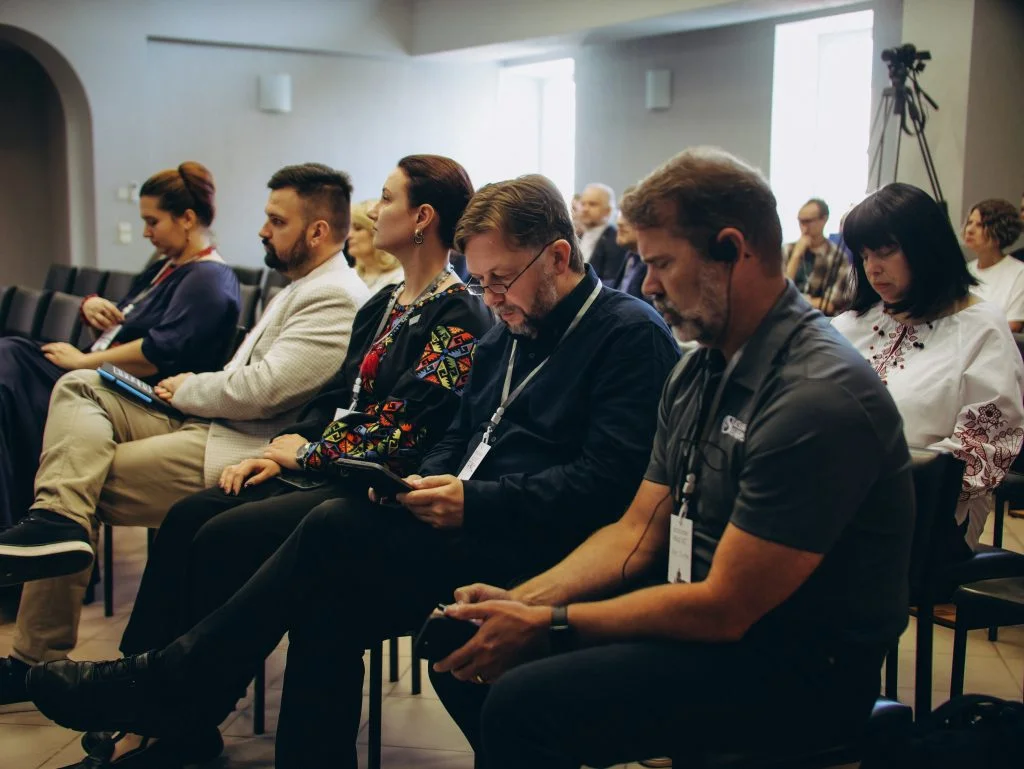

This year’s conference focused on the challenges and tasks facing Ukraine, its people and the wider Christian community as a result of the war unleashed by the Russian Federation. These were considered in the light of both the common Christian tradition and the traditions of individual churches and denominations, alongside contemporary theological approaches. Peacebuilding, social healing and nurturing unity are especially urgent for Ukrainians confronting internal divisions and trauma.

Participants included leaders of different churches, parish priests and pastors, preachers, civic leaders, chaplains, educators, civil servants, scholars of religion, philosophers and theologians. They brought together diverse fields of knowledge and practice to discuss pressing spiritual and social questions.


The perspectives of later Protestant traditions, particularly Evangelical Christian Baptists and Pentecostals, were represented by Taras Dyatlik, a Ukrainian evangelical theologian (ThM), vice-rector of the Eastern European Institute of Theology in Lviv, and ScholarLeaders’ representative in Eastern Europe.
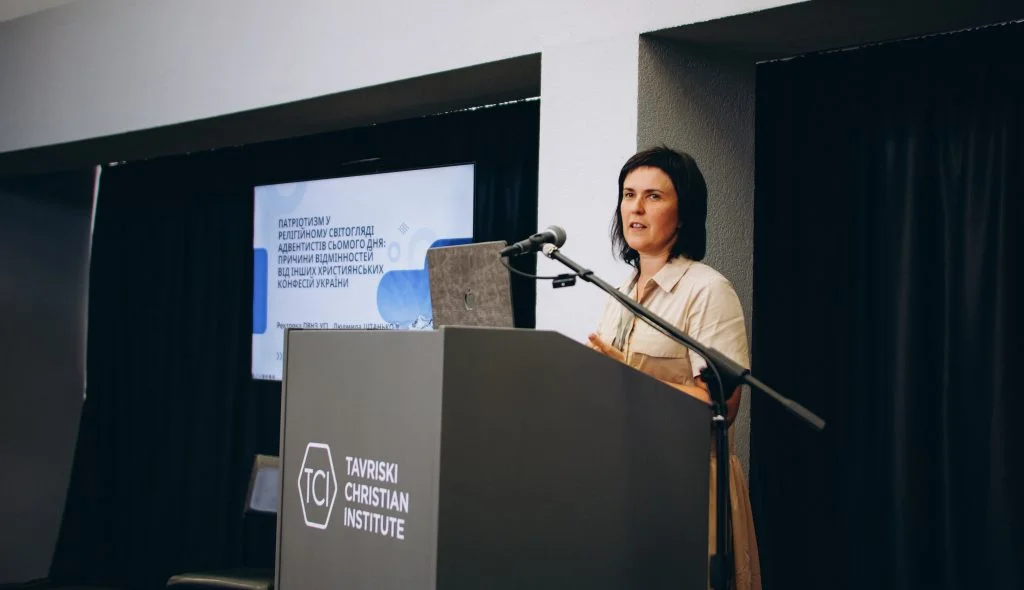
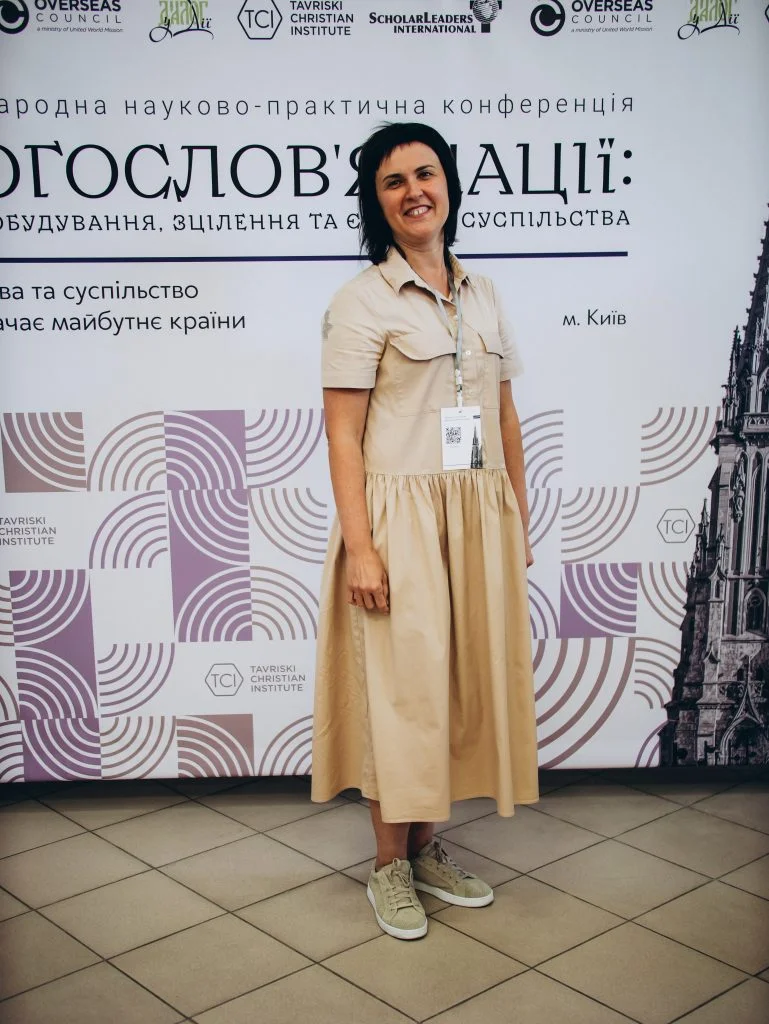
Liudmyla Shtanko, rector of the Ukrainian Institute of Arts and Sciences in Bucha and a Candidate of Economic Sciences, spoke on “Patriotism in the Religious Worldview of Seventh-day Adventists: Reasons for Differences from Other Christian Denominations in Ukraine”.
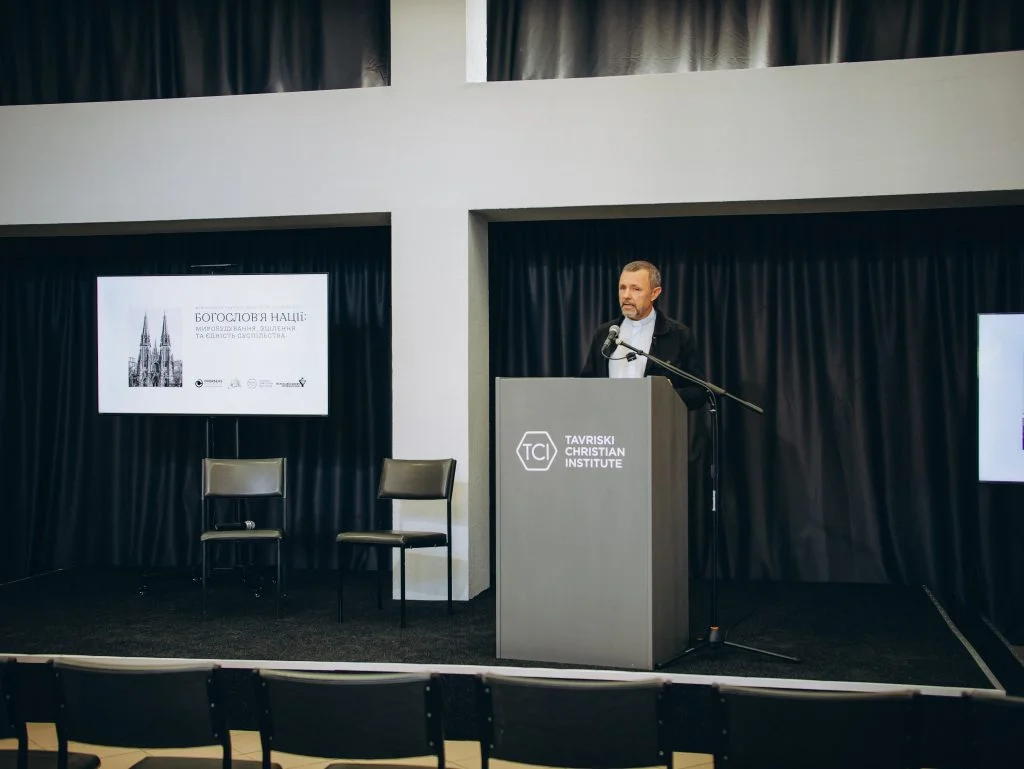

Father Petro Baloh, a Roman Catholic priest, Doctor of Theology and former director of the St Thomas Aquinas Institute of Religious Sciences in Kyiv, addressed “Dual Communion as a Model for Reconciliation and Coexistence between the Greek Catholic and Orthodox Churches in Ukraine”.

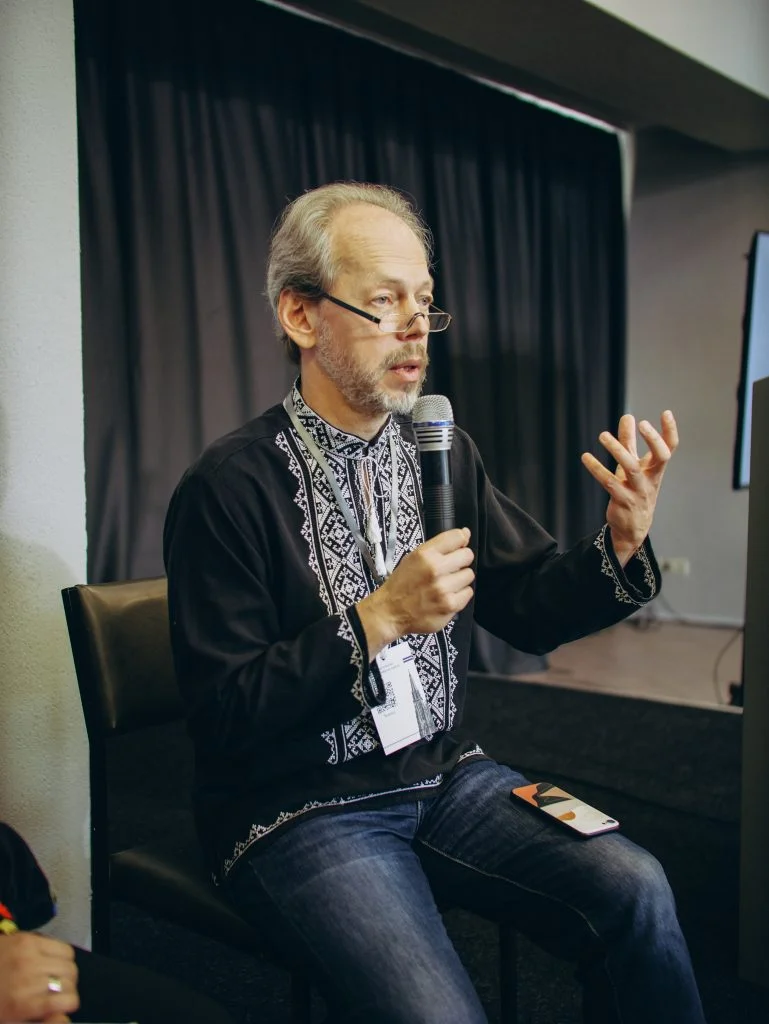
Father Heorhii Kovalenko, a priest of the Orthodox Church of Ukraine, rector of the St Sophia–Wisdom Open Orthodox University and Candidate of Philosophical Sciences, presented “Theology of the Nation between the Scylla of Ethnophyletism and the Charybdis of Imperial Nazism”.
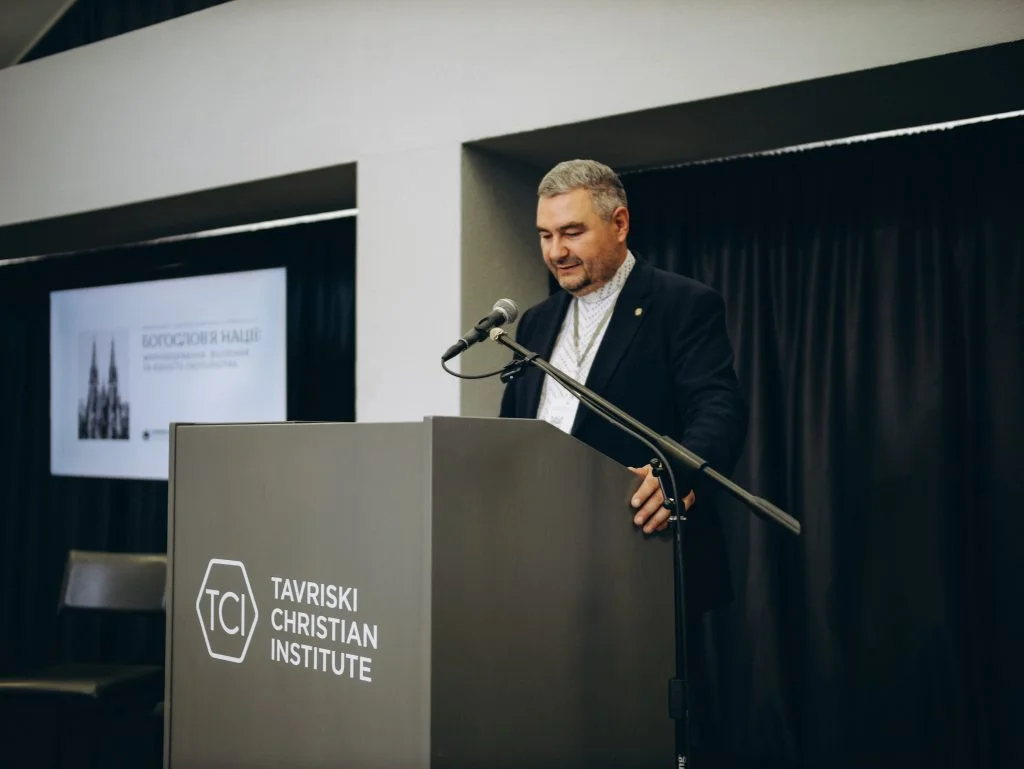
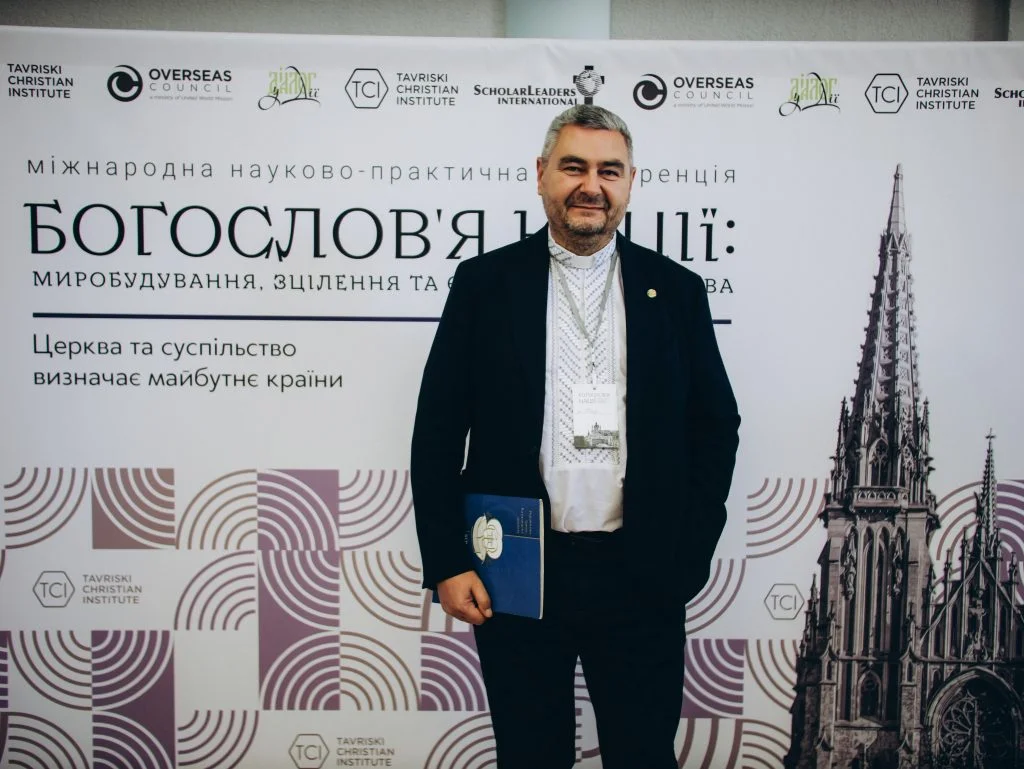
Archpriest Ihor Shaban, head of the Ukrainian Greek Catholic Church’s Commission for Interconfessional and Interreligious Relations, Doctor of Philosophy and professor of ecumenical theology, spoke on “A Christian Vision of Service to Society from the Perspective of the Ukrainian Greek Catholic Church”.

The German Evangelical Lutheran Church of Ukraine was represented by Bishop Pavlo Shvarts and Pastor Ihor Shemihon. The organisers had invited the bishop to offer a Lutheran perspective. In his presentation, “From Conflict to Reconciliation: Contemporary Challenges in Ukrainian Society and Church Communities”, Bishop Shvarts made the following points:
- Historical examples of reconciliation between nations, such as France and Germany or Germany and Poland, cannot simply be copied. The present conflict between Ukraine and Russia requires attention to the current state of religious life, the culture of repentance and forgiveness, and new tensions both between and within peoples. There is no single template for reconciliation, whether between nations or within a society.
- Reconciliation between Ukrainians and Russians remains a popular topic in both church and secular circles in the West. Unfortunately, these discussions often ignore the reality of continuing Russian aggression, which causes further casualties and destruction. A meaningful reconciliation process is impossible during active warfare when one side shows no willingness to engage and lacks both a culture of acknowledging its crimes and a culture of repentance. In these circumstances, the idea of “swift reconciliation” is not merely naive but cruel towards Ukraine, the victim of this war, inflicting further moral and spiritual suffering.
- The notion of complete unity in contemporary Ukrainian society is a harmful myth that conceals existing divisions and conflicts. Genuine unity requires a culture of dialogue and processes of reconciliation within society.

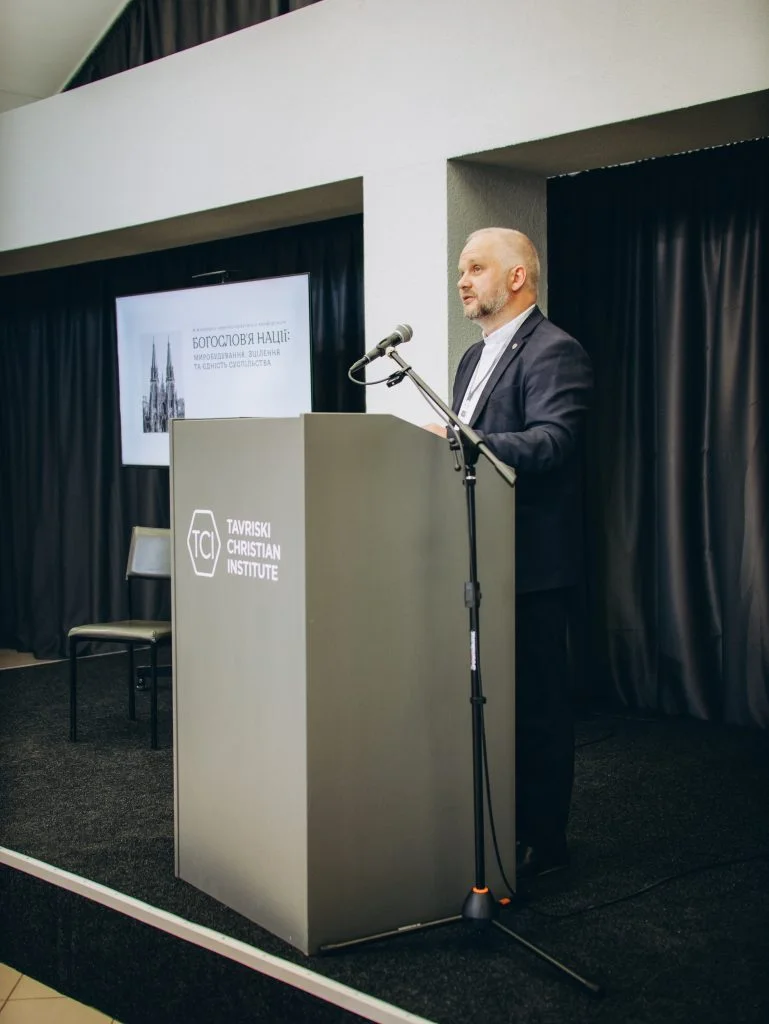
The bishop outlined several existing sources of tension in Ukrainian society:
- Old political divisions involving parties and presidents, as well as regional differences between East and West, continue to influence public attitudes, fostering mutual distrust and polarisation.
- People who have gone abroad and those who have remained in Ukraine often have different experiences of war, which can lead to misunderstanding and mutual grievances.
- Local residents and displaced people who have lost their homes face challenges of adaptation, integration and prejudice.
- Language and cultural identity sometimes become sources of conflict, although they also create opportunities to enrich and rethink Ukrainian culture.
- Volunteers, mobilised personnel, contract soldiers, people with reserved-worker exemptions and those labelled “draft evaders” have sharply different experiences and are perceived very differently, creating social tensions.
- Attitudes towards widows and orphans often remain formal or superficial, rather than offering genuine support and inclusion in community life.
- People with disabilities and psychological trauma resulting from combat, captivity or bereavement, together with their families, need particular attention and respect, yet often encounter indifference or stigma.
- Extremes in public discourse, from hero-worship to contempt, devalue the real experiences of service members and their families.
- The need for deep dialogue and sustained work reminds us that genuine reconciliation cannot be achieved through populism or ceremonial recognition. It requires honesty and responsibility.
- Space to speak about death and loss is essential for working through collective trauma, yet the subject remains taboo.
- Dialogue within church communities can model genuine understanding between people from different social groups.
- A Christian congregation has enormous potential as a healing community. It can support those affected and create space for mutual listening and healing. This requires resisting the temptation of the “big church” and ecclesiastical populism.
- A church community is distinctive in attending to human needs while drawing strength from faith in God, a Person whose capabilities exceed anything human beings can imagine.
- In its ministry, the Church should not become a psychological counselling centre: its central calling is to remain Christ-centred and spiritually focused.
- Hope grounded in faith in Christ is the surest foundation in a changing world.
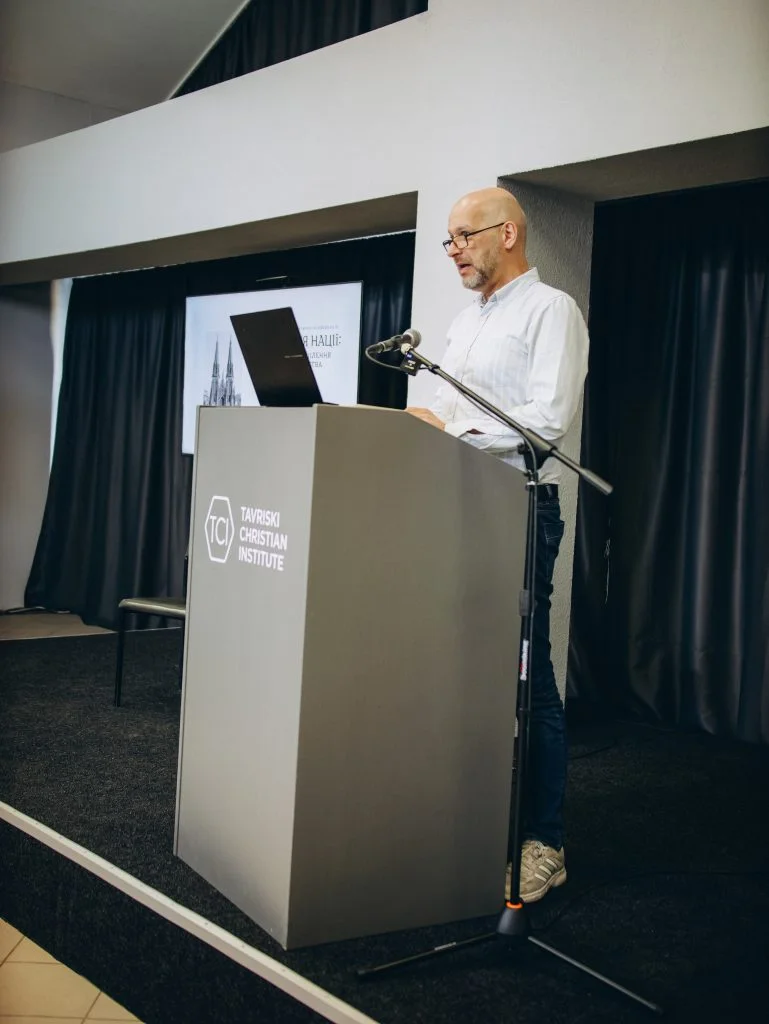

The second day was devoted mainly to panel discussions. There were also contributions from Viacheslav Horshkov, head of the Religious Affairs Department of the State Service of Ukraine for Ethnopolitics and Freedom of Conscience, and Hennadii Tselkovskyi, associate professor in the Department of Theology and Religious Studies at the Mykhailo Drahomanov Ukrainian State University.

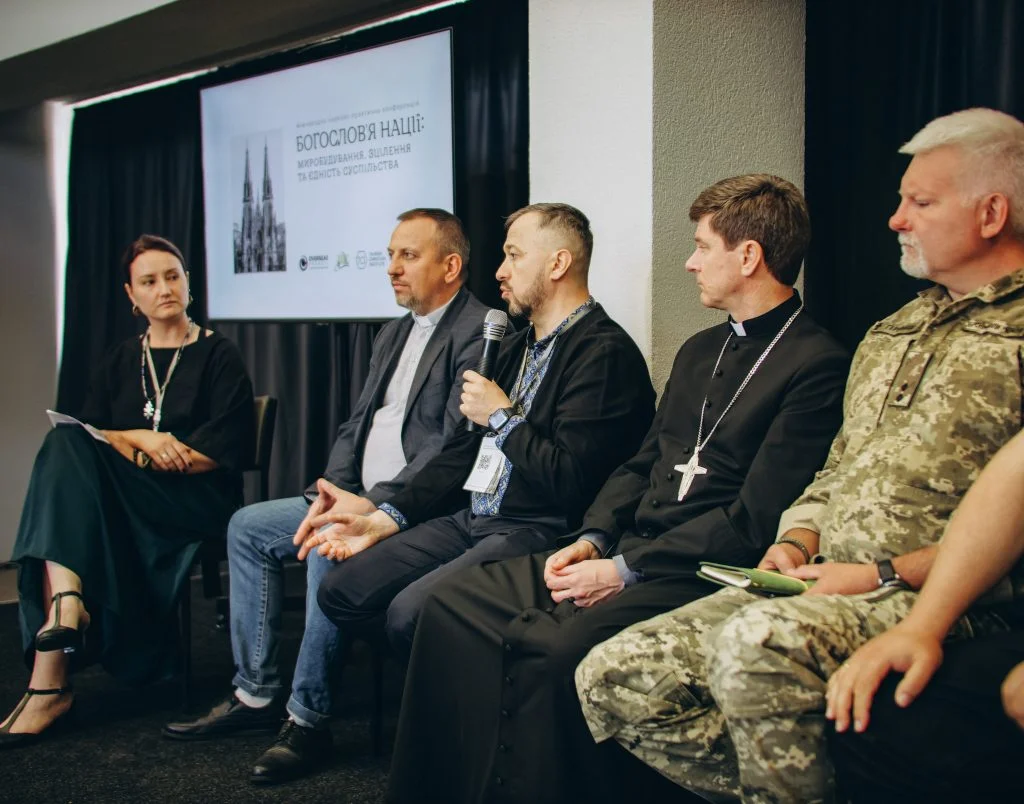
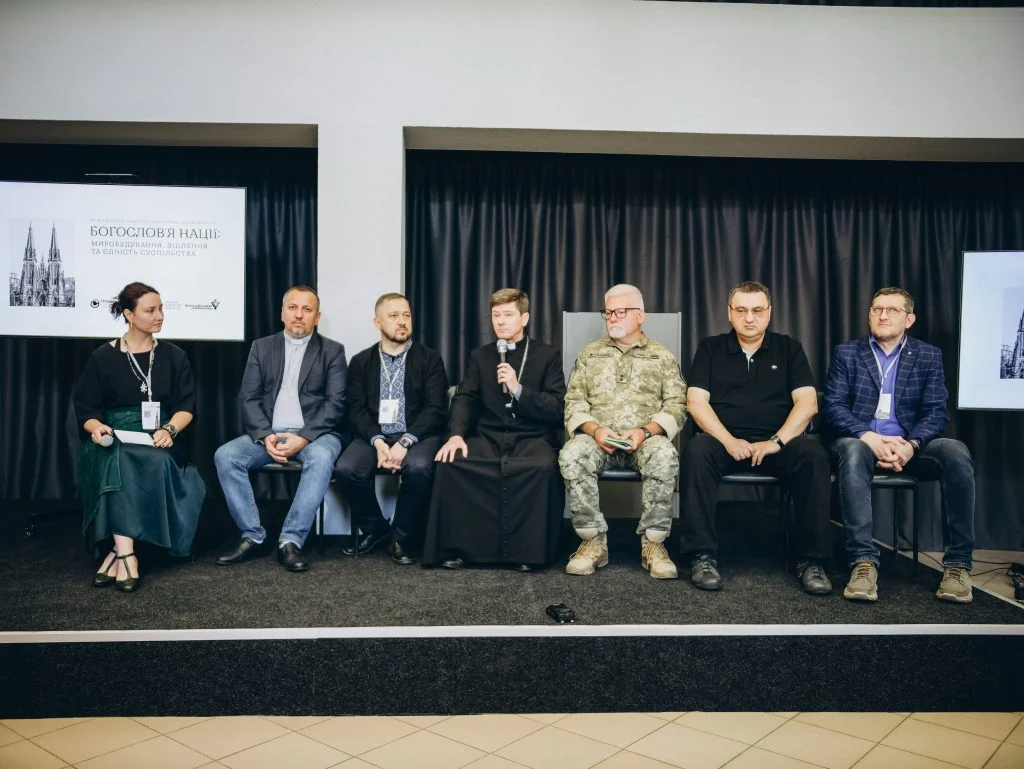
The first panel, “The Church, Pacifism and Militarism”, brought together church leaders, pastors and theologians. Participants included Ihor Shemihon, pastor of St Martin of Tours congregation on Kyiv’s left bank. The discussion was moderated by Tetiana Kalenychenko, sociologist of religion, analyst and co-founder of Dialogue in Action.


The next panel focused on “The Church’s Peacebuilding and Unifying Mission in Ukrainian Society”. It was moderated by Taras Dyatlik. Its respected speakers included GELCU Bishop Pavlo Shvarts.